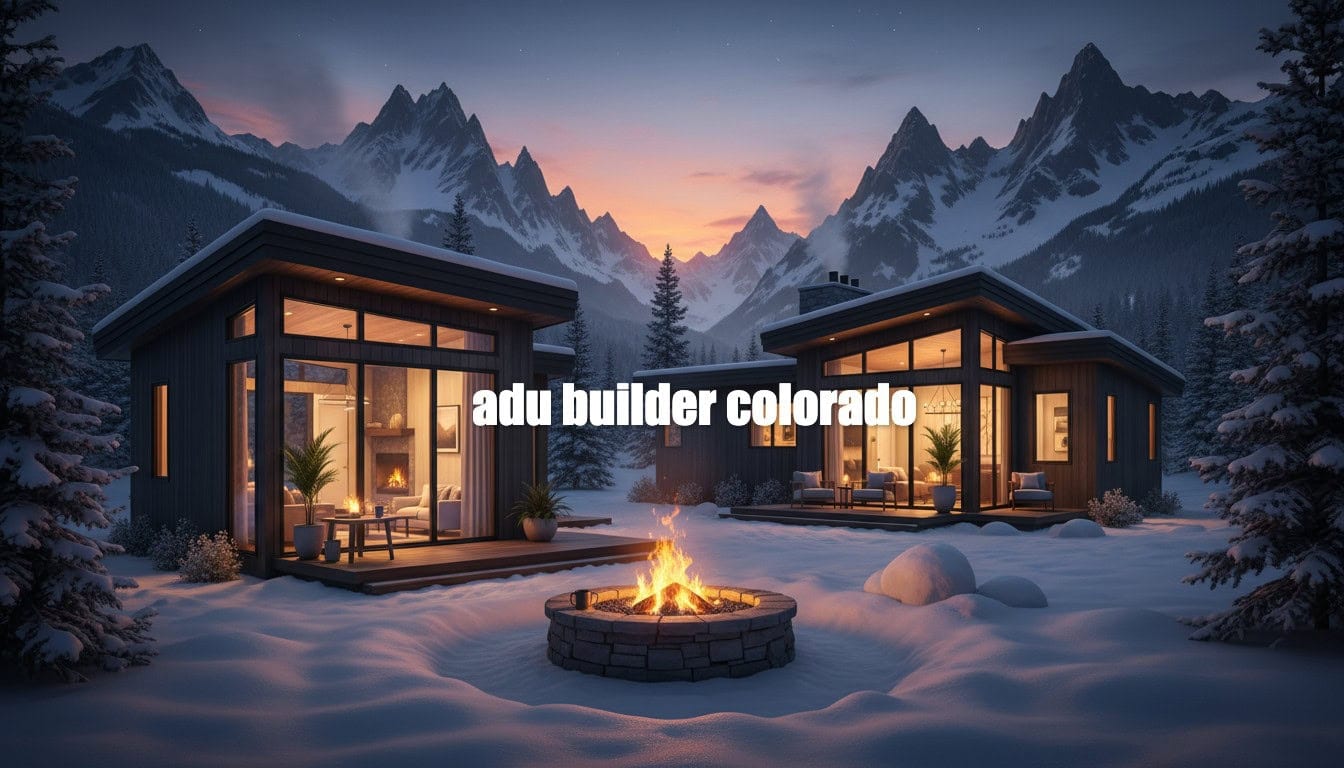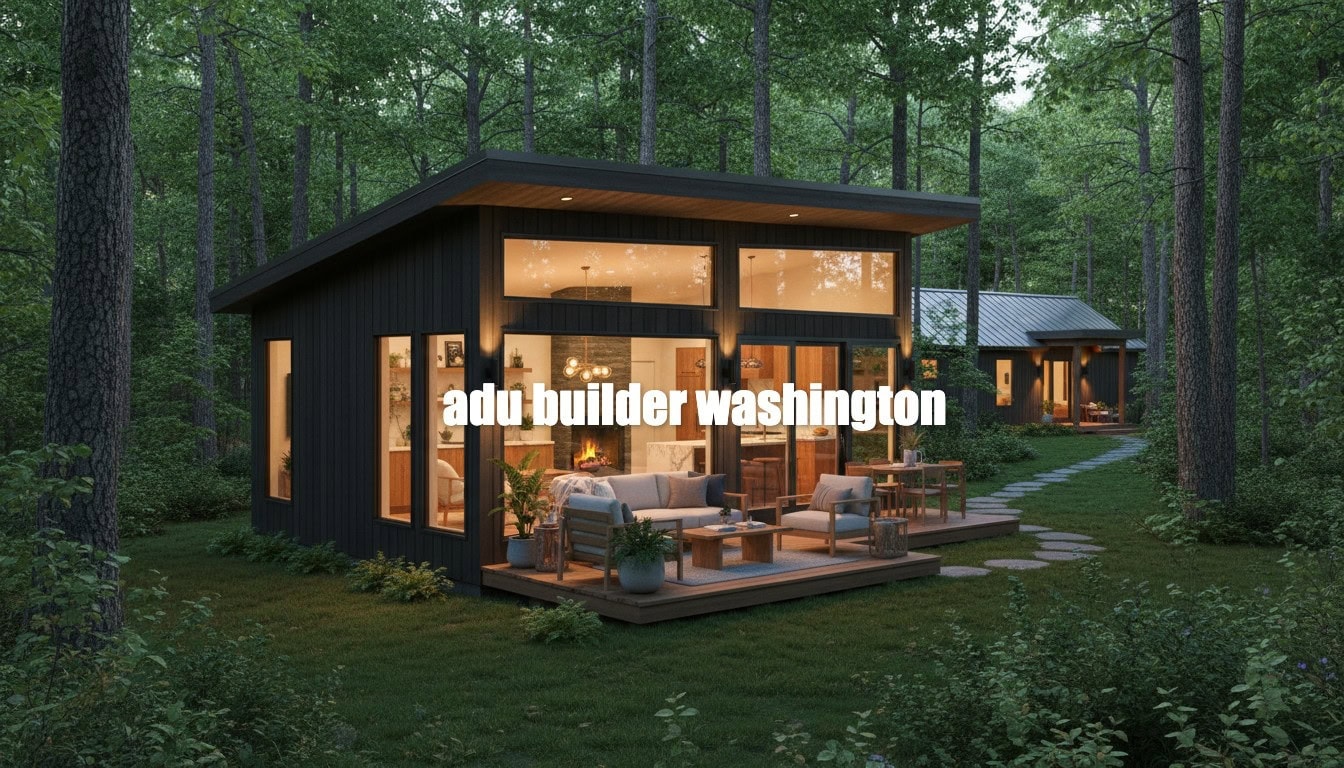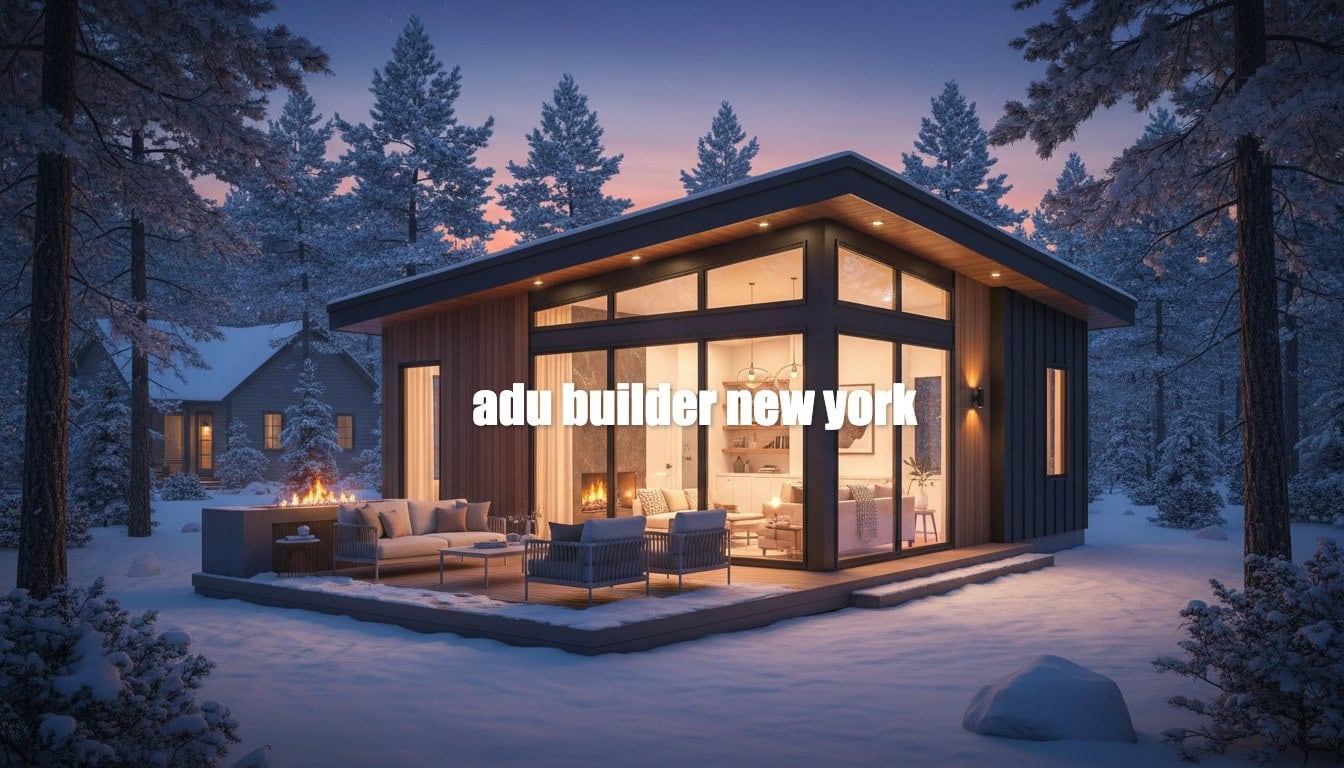
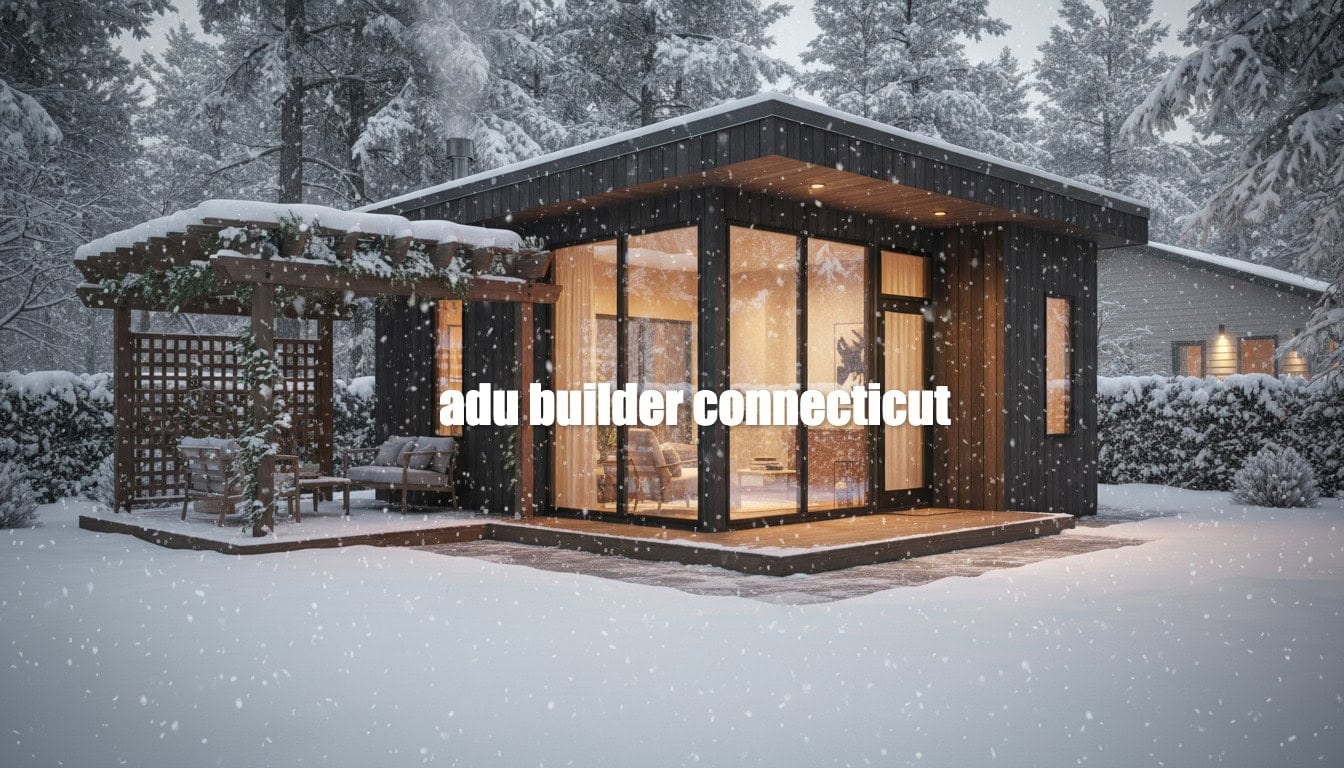
When we consider Connecticut’s growing housing crisis and the need for affordable living solutions, ADUs (Accessory Dwelling Units) represent a significant opportunity. With typical ADU projects ranging from $150,000 to $400,000, choosing the right builder can mean the difference between a successful investment and a costly nightmare. We’ve seen too many Connecticut homeowners fall victim to inexperienced contractors who promise the world but deliver subpar results, cost overruns, and endless delays.
The stakes couldn’t be higher. A well-built ADU can provide rental income of $1,200-$2,500 per month in Connecticut’s markets, increase property values by 20-35%, and offer flexible housing solutions for aging parents or adult children. However, a poorly executed project can drain savings, create legal headaches, and leave families with unusable space.
In our comprehensive guide, we’ll walk you through everything you need to know about selecting an ADU builder in Connecticut. We’ll cover the critical differences between custom and prefab builders, essential selection criteria that protect your investment, realistic timelines and costs, and the regulatory landscape that experienced builders must navigate.
While exploring ADU options, many Connecticut homeowners also consider alternative solutions like granny pods or tiny homes. These prefabricated units can offer significant cost advantages over traditional ADUs, often costing 30-50% less than custom construction while providing similar functionality. Granny pods present an attractive alternative to assisted living facilities, which can cost $4,000-$6,000 monthly in Connecticut. A granny pod investment of $80,000-$150,000 can provide the same care benefits while keeping families together and building equity rather than paying ongoing facility fees.
Ready to explore your options? Book a call with our experts who have helped hundreds of customers make their tiny home dreams a reality.
Custom vs. Prefab ADU Builders: Which Is Right for Your Project?
The first major decision we face when planning an ADU project is choosing between custom builders and prefab specialists. This choice fundamentally shapes every aspect of our project, from timeline and budget to design flexibility and final quality.
Custom ADU Builders in Connecticut
Custom builders offer complete design freedom and site-specific solutions. In Connecticut, we typically see custom ADU costs ranging from $250-$500 per square foot, depending on finishes, site conditions, and local market factors. These builders excel at working with challenging lots, incorporating unique architectural features, and matching existing home styles.
The custom approach typically requires 12-18 months from initial consultation to move-in ready. This timeline includes 4-8 weeks for design development, 2-6 months for permitting, and 6-10 months for construction. We’ve found that custom builders are essential when dealing with steep slopes, tight setbacks, or historic district requirements common in Connecticut’s older neighborhoods.
Prefab ADU Specialists
Prefab specialists offer turnkey solutions ranging from $185,000-$350,000. These companies have streamlined the process by using standardized designs, factory construction, and established supply chains. The timeline advantage is significant – we typically see 6-9 months from order to occupancy.
However, prefab options come with limitations. Design customization is restricted to predetermined floor plans and finish packages. Site requirements are more stringent – level lots with good access for crane installation and utility connections.
Decision Framework
We recommend custom builders when:
- Budget exceeds $300,000 and design flexibility is priority
- Lot has challenging conditions (slopes, setbacks, access issues)
- Architectural compatibility with existing home is crucial
- Local regulations require specific design elements
- Timeline flexibility allows for 12-18 month process
We suggest prefab builders when:
- Budget is under $300,000 and speed is important
- Lot is relatively flat with good access
- Standard floor plans meet our needs
- We want predictable costs and timelines
- We’re comfortable with limited customization options
How to Choose an ADU Builder: Essential Selection Criteria
Selecting the right ADU builder requires a systematic evaluation process that goes far beyond comparing quotes. We’ve developed a comprehensive framework that protects homeowners from costly mistakes while identifying builders who deliver exceptional results.
Licensing and Insurance Requirements
Every ADU builder in Connecticut must hold a valid Home Improvement Contractor license through the Department of Consumer Protection. We always verify licenses through the state database and confirm they’re current and in good standing. Additionally, builders should carry general liability insurance ($1 million minimum), workers’ compensation, and builder’s risk insurance.
ADU-Specific Experience
General contractors and ADU specialists operate in different worlds. We prioritize builders who have completed at least 10 ADU projects and can demonstrate 3+ years of ADU-focused experience. This specialization matters because ADU projects involve unique challenges: complex utility connections, setback requirements, rental unit codes, and often tight site constraints.
When evaluating experience, we ask for a portfolio showing:
- Before and after photos of completed projects
- Range of ADU types (detached, attached, garage conversions)
- Projects in similar neighborhoods or lot conditions
- Examples of problem-solving on challenging sites
Reference Checking Process
We contact at least three recent clients and ask specific questions about:
- Timeline accuracy (planned vs. actual completion)
- Budget adherence (final cost vs. original estimate)
- Communication quality during construction
- Problem resolution when issues arose
- Overall satisfaction and whether they’d hire the builder again
Red Flags from Failed ADU Companies
The ADU industry has seen several high-profile failures. Warning signs include:
- Requests for large upfront payments (over 10% down)
- Vague timelines or unrealistic completion promises
- No local ADU portfolio or recent references
- Pressure to sign contracts immediately
- Lack of proper licensing or insurance documentation
The ADU Building Process in Connecticut: What to Expect
Understanding the complete ADU construction process helps us set realistic expectations and stay actively involved in our project’s success. We’ve broken down the process into five distinct phases.
Phase 1: Feasibility and Site Assessment (1-2 weeks)
The process begins with a comprehensive site evaluation where builders assess:
- Lot dimensions and setback compliance
- Existing utility locations and capacity
- Soil conditions and drainage patterns
- Access for construction equipment and materials
- Tree preservation requirements
- Neighborhood character and design constraints
Phase 2: Design and Planning (4-8 weeks)
Design development involves creating architectural plans, structural engineering, and detailed construction drawings. We work closely with the design team to finalize:
- Floor plan layout and room configurations
- Exterior design and material selections
- Interior finishes and fixture specifications
- Mechanical, electrical, and plumbing systems
- Energy efficiency features and code compliance
Phase 3: Permitting (2-6 months)
Connecticut’s permitting process varies significantly by municipality. Towns like Greenwich and New Canaan typically require 4-6 months due to design review requirements, while smaller towns may approve permits in 6-8 weeks. Experienced ADU builders understand each jurisdiction’s specific requirements and can navigate the process efficiently.
Phase 4: Construction (4-8 months)
Construction follows a predictable sequence:
- Site preparation and foundation (2-4 weeks): Excavation, utilities, concrete work
- Framing and roofing (3-4 weeks): Structure, roof system, exterior sheathing
- Mechanical rough-in (2-3 weeks): Electrical, plumbing, HVAC installation
- Insulation and drywall (3-4 weeks): Insulation, drywall, interior painting
- Finish work (4-6 weeks): Flooring, cabinets, fixtures, final details
Phase 5: Final Inspection and Occupancy (2-4 weeks)
The final phase includes municipal inspections, utility connections, and project closeout. We conduct a detailed walkthrough with the builder to identify any punch list items that need correction before final payment.
ADU Building Costs in Connecticut: Complete Budget Breakdown
Understanding the true cost of ADU construction in Connecticut requires looking beyond basic square footage pricing. We’ve analyzed dozens of projects across the state to provide realistic budget expectations.
Regional Cost Variations
Connecticut’s ADU costs vary significantly by region:
- Fairfield County: $250,000-$450,000 (proximity to NYC drives premium pricing)
- Hartford County: $200,000-$350,000 (moderate costs with good contractor availability)
- New Haven County: $180,000-$320,000 (competitive market with multiple builders)
- Litchfield County: $220,000-$380,000 (rural premium due to limited contractors)
Detailed Cost Breakdown by Component
Based on our analysis of Connecticut ADU projects:
- Design and Architecture (5-10%): $12,000-$25,000
- Permitting and Fees (2-5%): $5,000-$15,000
- Site Preparation (5-15%): $12,000-$45,000
- Construction (60-70%): $150,000-$280,000
- Utilities (5-10%): $12,000-$30,000
- Landscaping and Finishing (5-10%): $12,000-$25,000
Cost Per Square Foot by ADU Type
- Detached New Construction: $280-$450/sq ft
- Garage Conversion: $180-$280/sq ft
- Prefab Installation: $220-$320/sq ft
- Basement Conversion: $150-$250/sq ft
Hidden Costs Often Missed
- Utility Connection Fees: $3,000-$8,000
- Impact Fees: $2,000-$12,000
- Soil Testing and Engineering: $2,000-$5,000
- Tree Removal and Protection: $1,500-$8,000
- Setback Variances: $2,000-$5,000
Connecticut ADU Regulations and Permitting
Connecticut’s ADU regulatory landscape has evolved significantly in recent years, creating opportunities while maintaining important local controls. Understanding these regulations helps us work with builders who can navigate the system efficiently.
Statewide ADU Legislation
Connecticut’s recent legislative changes have made ADUs more accessible across the state. Key provisions include:
- PA 21-29: Requires municipalities to allow ADUs in single-family zones
- Size Limits: ADUs can be up to 1,000 square feet or 30% of the primary dwelling size
- Parking Requirements: Limited to one space per ADU
- Owner Occupancy: Required in either the primary dwelling or ADU
- Design Standards: Must maintain neighborhood character
Local Jurisdiction Variations
While state law provides the framework, municipalities retain significant control over ADU implementation:
Stamford: Allows ADUs up to 1,200 sq ft, requires special permit, $500 application fee, 60-90 day approval timeline
Bridgeport: Permits ADUs by right in most zones, 1,000 sq ft maximum, $300 permit fee, 30-45 day approval
New Haven: Special permit required, extensive design review, $750 application fee, 90-120 day timeline
Hartford: ADUs allowed by right, 800 sq ft maximum, $400 permit fee, 45-60 day approval
ADU Return on Investment: Financial Benefits
Understanding the financial returns from ADU investments helps us make informed decisions about project scope, financing, and long-term strategy. Connecticut’s strong rental market and housing demand create favorable conditions for ADU investments.
Property Value Increase Analysis
Connecticut ADUs typically increase property values by 20-35%, with variations based on location and quality:
- Fairfield County: 25-35% value increase, adding $200,000-$350,000
- Hartford County: 20-30% increase, adding $150,000-$250,000
- New Haven County: 22-32% increase, adding $160,000-$280,000
- Rural Areas: 18-28% increase, adding $120,000-$200,000
Rental Income Potential
Connecticut’s rental market supports strong ADU income across the state:
- Stamford/Greenwich Area: $2,200-$3,500/month
- Hartford: $1,400-$2,200/month
- New Haven: $1,500-$2,400/month
- Bridgeport: $1,200-$1,900/month
- Suburban Areas: $1,300-$2,100/month
ROI Timeline and Break-Even Analysis
Example: $250,000 ADU in Hartford Area
- Monthly rental income: $1,800
- Annual gross income: $21,600
- Operating expenses: $4,320 (20%)
- Net annual income: $17,280
- Simple payback period: 14.5 years
- 10-year total return: $372,800
Common ADU Building Mistakes and How to Avoid Them
Learning from others’ mistakes can save us significant time, money, and frustration. We’ve identified the most common ADU building errors in Connecticut and developed strategies to avoid them.
Choosing the Wrong Builder Type
The Mistake: Hiring general contractors without ADU experience instead of specialized ADU builders.
How to Avoid: We always verify that builders have completed at least 5 ADU projects and can provide references from recent ADU clients. We ask specific questions about ADU codes, permitting experience, and rental unit requirements.
Underestimating Total Costs
The Mistake: Budgeting only for construction costs without accounting for permits, utilities, site preparation, and contingencies.
How to Avoid: We budget 15-20% above the construction contract for additional costs and maintain a separate contingency fund for unexpected issues. We get written estimates for all soft costs before starting construction.
Ignoring Local Regulations
The Mistake: Assuming state ADU laws override all local requirements without checking municipal regulations.
How to Avoid: We always verify local ADU regulations before beginning design work. We contact the building department directly and review current zoning ordinances rather than relying on outdated information.
Financing Your Connecticut ADU: Comprehensive Funding Guide
Securing appropriate financing is crucial for ADU project success. Connecticut homeowners have multiple funding options, each with distinct advantages and requirements.
Home Equity Loans and HELOCs
Home Equity Loans provide fixed-rate financing with predictable monthly payments. Current Connecticut rates range from 7.5-9.5% for qualified borrowers. These loans work well when we know our exact project costs and prefer payment certainty.
Home Equity Lines of Credit (HELOCs) offer variable-rate credit lines with current rates of 8.0-10.5%. We only pay interest on funds actually used, making them ideal for construction projects with varying cash flow needs.
Cash-Out Refinancing
Cash-out refinancing replaces our existing mortgage with a larger loan, providing cash for ADU construction. With current 30-year rates around 7.0-8.0%, this option makes sense when we can improve our overall mortgage terms.
Construction Loans for ADUs
Construction loans provide funds in stages as work progresses, with interest-only payments during construction. Connecticut lenders typically offer 12-18 month construction terms at rates 1-2% above permanent mortgage rates.
Financing Decision Tree
If project cost is under $150,000: Consider HELOC or home equity loan for flexibility and lower costs.
If project cost is $150,000-$300,000: Compare home equity loans, cash-out refinancing, and specialized ADU loans.
If project cost exceeds $300,000: Construction loans or cash-out refinancing typically provide the best terms.
Frequently Asked Questions About ADU Builders in Connecticut
How long does it take to build an ADU in Connecticut?
Quick Answer: 10-18 months total, with 6-12 months for construction and 2-6 months for permitting.
The timeline varies significantly based on ADU type, municipality, and builder experience. Custom detached ADUs typically require 12-18 months from initial consultation to occupancy, while prefab units can be completed in 8-12 months.
How much does an ADU cost in Connecticut?
Quick Answer: $180,000-$450,000 depending on size, location, and finishes.
Connecticut ADU costs vary significantly by region and project type. Fairfield County projects typically cost $250,000-$450,000 due to high labor costs. Hartford and New Haven areas see costs of $200,000-$350,000 for similar projects.
Do I need an ADU specialist or can a general contractor build it?
Quick Answer: ADU specialists are strongly recommended for efficiency and code compliance.
While licensed general contractors can legally build ADUs, specialists offer significant advantages. ADU specialists understand rental unit codes, efficient space planning, utility requirements, and permitting processes specific to accessory dwelling units.
What warranties should ADU builders provide?
Quick Answer: Minimum 1-year workmanship warranty and 10-year structural warranty.
Connecticut ADU builders should provide comprehensive warranty coverage including workmanship warranty (1-2 years), structural warranty (10 years), systems warranty (1-2 years), and pass-through of manufacturer warranties.
Conclusion: Taking the Next Steps with Your Connecticut ADU Project
As we conclude our comprehensive guide to ADU builders in Connecticut, the key takeaways are clear: success depends on choosing specialized ADU builders, understanding realistic costs and timelines, and navigating Connecticut’s regulatory landscape with experienced professionals. The difference between a successful ADU investment and a costly mistake often comes down to the builder we select and the preparation we do upfront.
We’ve seen that Connecticut’s ADU market offers excellent opportunities for property value increases of 20-35% and rental income potential of $1,200-$3,500 monthly. However, these returns require careful planning, appropriate financing, and working with builders who understand the unique challenges of ADU construction in our state.
Your 30-Day ADU Action Plan
Week 1: Research and Planning
- Review local ADU regulations and zoning requirements
- Assess our property for ADU feasibility
- Determine preliminary budget and financing options
- Research builders in our area with ADU experience
Week 2: Initial Consultations
- Contact 3-5 builders for initial consultations
- Request portfolios and recent project references
- Verify licenses, insurance, and credentials
- Get preliminary cost estimates and timelines
Week 3: Due Diligence
- Contact references from recent ADU projects
- Visit completed projects when possible
- Compare proposals and builder capabilities
- Secure financing pre-approval
Week 4: Selection and Contracting
- Select our preferred builder
- Negotiate contract terms and payment schedule
- Review all documents with attorney if needed
- Sign contracts and begin design process
Connecticut’s ADU-friendly legislation and strong rental markets create an environment where well-planned ADU projects can provide excellent returns while addressing our state’s housing needs. Whether we’re seeking rental income, multi-generational housing solutions, or property value enhancement, ADUs offer a proven path to achieving these goals.
The key is taking action with proper preparation and the right team. Connecticut’s experienced ADU builders are ready to help us navigate this process successfully, but the first step is ours to take. We encourage starting with free consultations from qualified builders in our area to explore the possibilities for our specific property and situation.