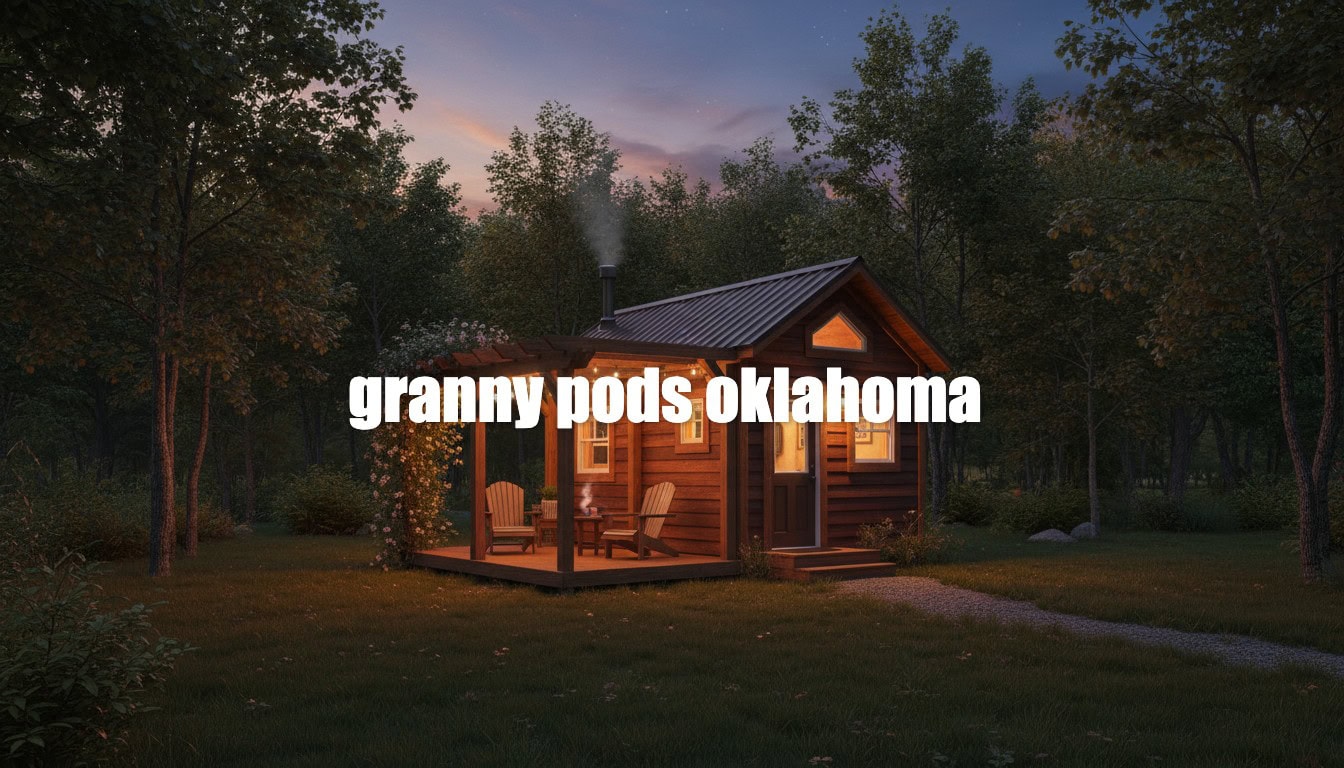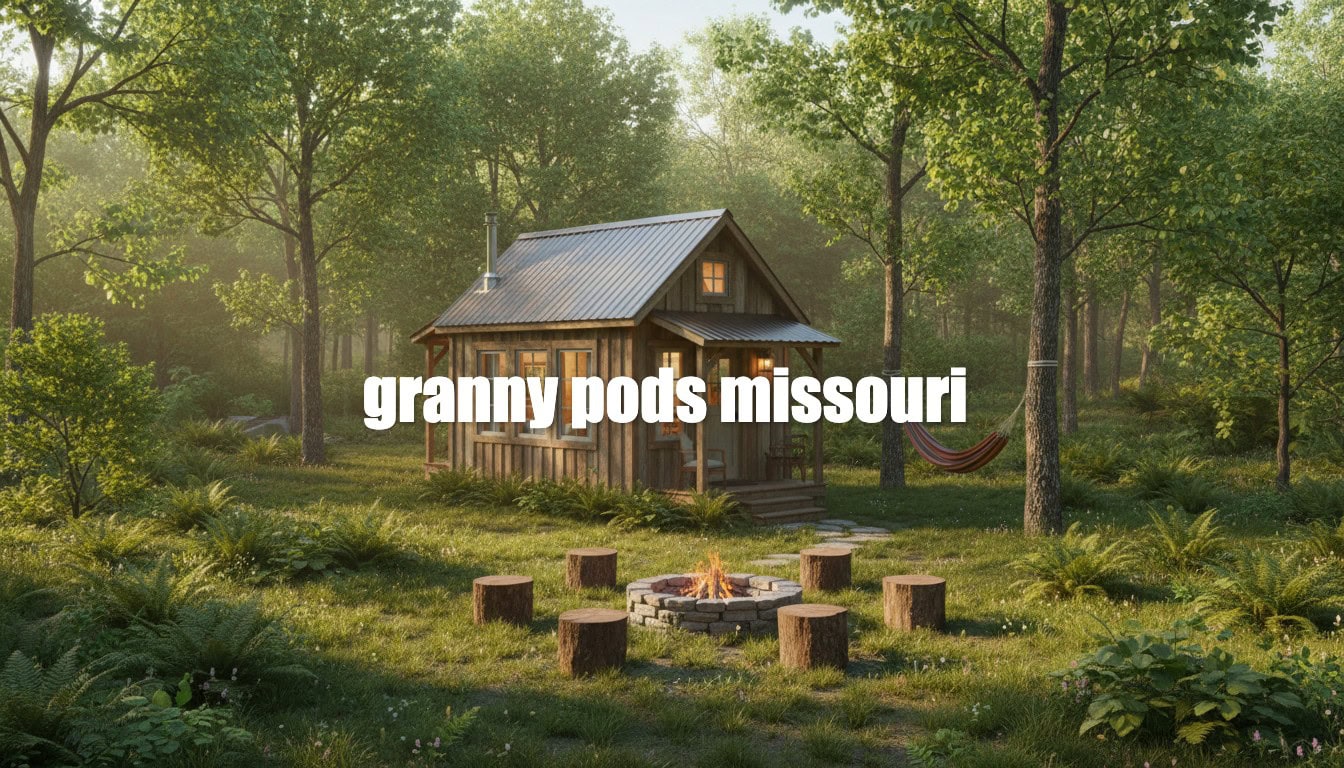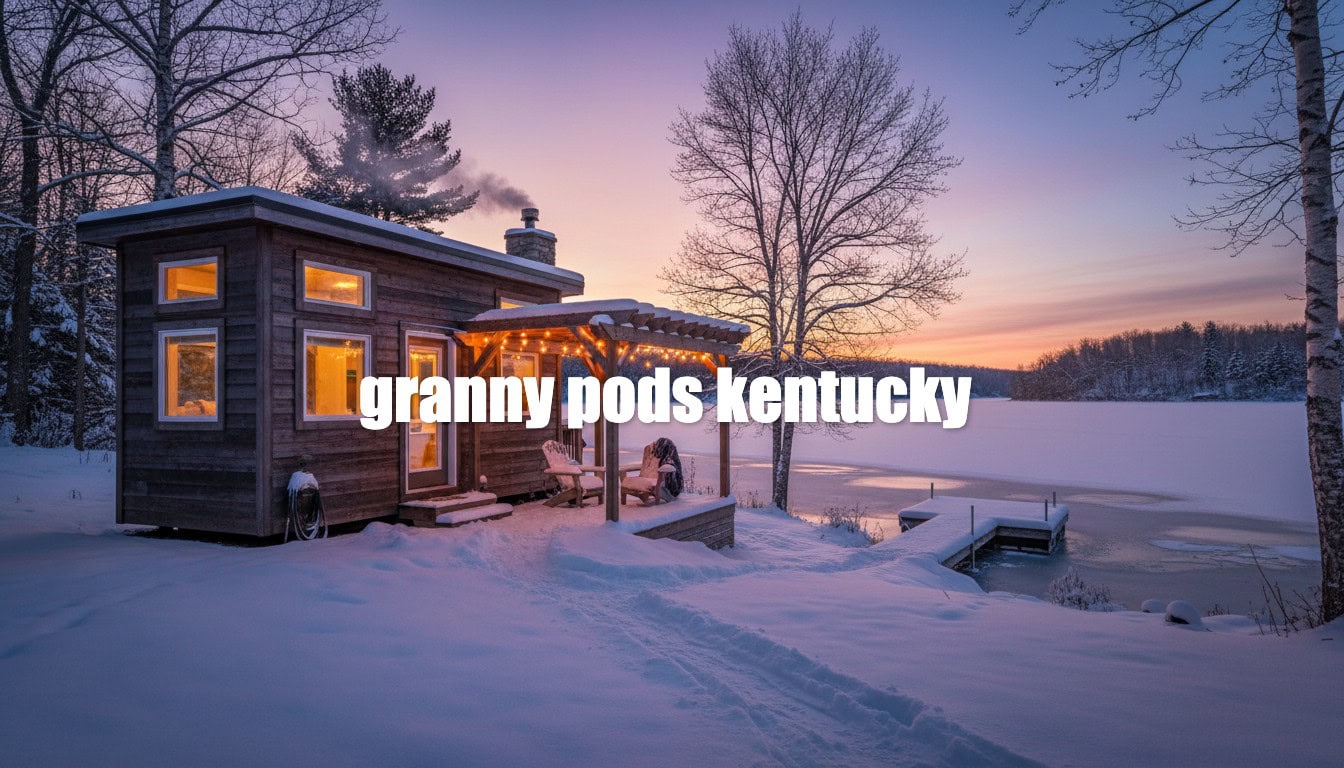

As you consider ways to care for aging family members while preserving their independence, granny pods in South Carolina offer a practical and compassionate solution. These compact living spaces, often built on your existing property, allow elderly relatives to stay close without sacrificing privacy. With South Carolina’s growing senior population and evolving housing needs, understanding granny pods can help you make informed decisions for your family’s future.
In the context of modern family dynamics, where multigenerational living is on the rise, granny pods provide a relevant option for South Carolina residents facing elder care challenges. Great Lakes Tiny Homes specializes in tiny house-style granny pods that align with these needs, offering customizable builds compliant with local standards to enhance family bonds through thoughtful design.
What Are Granny Pods?
You might wonder what granny pods are and why they’re gaining traction in South Carolina. Also known as backyard cottages or in-law suites, granny pods are small, detached dwelling units designed for aging relatives. They let your loved ones live close on your property with independent space, typically 300 to 800 square feet, including a private kitchen, bathroom, and sleeping area for autonomy without isolation.
In South Carolina, with over 16% of the population aged 65 or older per recent census data, families seek alternatives to nursing homes. The mild climate and spacious rural properties in the Lowcountry and Upstate make granny pods ideal for year-round comfort and family support.
Great Lakes Tiny Homes offers customizable granny pod-style tiny houses with or without wheels and RVIA certification. Certified models, often park models, simplify placement by classifying as recreational vehicles in some zoning contexts, helping you navigate regulations while creating a functional space.
Whether in Charleston or Greenville, a granny pod supports Southern family culture, keeping generations connected. It blends with your routine, providing peace of mind through proximity.
Inside the Modern Granny Pod: Features, Design, and Purpose
Granny pods, or accessory dwelling units (ADUs), support elderly family members while maintaining household harmony. These self-contained units offer comfort, safety, and convenience with senior-focused adaptations distinguishing them from standard tiny homes.
Spanning 300 to 800 square feet, they include a compact kitchen with energy-efficient appliances, full bathroom, bedroom, and living area. Features like large windows for natural light, durable flooring, and climate control suit South Carolina’s humid subtropical weather. Unlike portable tiny homes, granny pods emphasize longevity and accessibility.
Types include prefab for quick installation, custom-built for tailored needs like roll-in showers, and converted structures for budget options requiring modifications.
Universal design sets them apart: zero-step entries, wider doorways, grab bars, and smart devices for remote health checks ensure security and empowerment, reducing family strain.
In South Carolina, elevated foundations and impact-resistant materials handle coastal humidity and storms. Energy-efficient insulation and solar-ready roofing manage costs sustainably. Visualize your backyard as a supportive haven blending functionality and warmth.
Exploring best tiny home communities in South Carolina can inspire your vision. For builders, check tiny house builders in Charleston.
Benefits of Granny Pods for South Carolina Families
Installing a granny pod on your South Carolina property offers advantages tailored to the state’s family culture and environment, fostering a support system that enhances well-being.
Proximity enables care without intrusion, valuable in humid summers or mild winters for quick assistance like medication reminders.
Independence combats senior loneliness, affecting many of South Carolina’s over 800,000 residents aged 65+, balancing closeness with privacy.
Financially, they save over nursing homes costing $50,000+ annually per Genworth. A $100,000-$150,000 investment, like from Great Lakes Tiny Homes, avoids ongoing fees using your property.
Property value increases by 10-20% with versatile space, retaining equity unlike facility expenses.
Emotionally, they preserve dignity and strengthen bonds in close-knit communities. In Myrtle Beach, storm-resistant features add security; in Greenville, they support multigenerational harmony amid retiree growth.
With elder care costs up 15% in five years, granny pods align with your values for lasting memories in the Palmetto State.
For regulations, explore what counties in South Carolina allow tiny houses.
Legal Considerations for Granny Pods in South Carolina
Navigating granny pod laws in South Carolina involves state, county, and municipal rules across 46 counties. The state encourages ADUs via flexible zoning but defers to locals under the International Residential Code (IRC).
Zoning classifies them as accessory structures on the same lot, requiring residential districts; agricultural zones are lenient. Building permits need site plans, engineering, and 5-10 foot setbacks.
Processes include environmental assessments in flood-prone areas like Charleston. Health codes mandate sanitation, electrical, and plumbing. 2022 building code updates streamlined urban approvals; rural areas may need variances.
Accommodating counties: Richland (Columbia) allows up to 800 sq ft with owner-occupancy; Greenville supports in single-family zones. Charleston requires design reviews; Horry limits to 400 sq ft, no rentals; Beaufort needs special permits.
2023 House Bill 4396 standardizes permissions, easing restrictions by 2025 for affordability.
RVIA certification bypasses some foundation rules for under 400 sq ft park models, reducing hurdles; permanent foundations meet occupancy for others.
Consult planning departments early. Book a call with our experts for guidance.
For specific areas, see tiny house for sale in Columbia.
Which South Carolina Counties Allow Granny Pods?
Permissions for granny pods vary by county based on density and goals. Below is a table for populated counties with clear rules to assess your property.
| County Name | Granny Pod Status | Minimum Lot Size Requirements | Maximum Size Allowed | Special Notes |
|---|---|---|---|---|
| Richland (Columbia) | Allowed | 0.5 acres | 800 sq ft | Owner occupancy required; match primary home style. No rentals without variance. |
| Charleston | Allowed | 0.25 acres | 1,000 sq ft | Historic districts need approval; flood elevations mandatory. |
| Greenville | Allowed | 1 acre | 600 sq ft | Single-family zones; connect utilities to main home. |
| Horry (Myrtle Beach) | Restricted | 1 acre | 400 sq ft | Non-rental; stricter setbacks near waterways. |
| Spartanburg | Case-by-Case | 0.75 acres | 500 sq ft | Special permit; rural flexible. |
| Anderson | Allowed | 0.5 acres | 700 sq ft | Environmental reviews near Lake Hartwell. |
| York (Rock Hill) | Restricted | 1 acre | 500 sq ft | Stricter suburban rules; no detached in townhomes. |
| Beaufort (Hilton Head) | Case-by-Case | 0.5 acres | 800 sq ft | Aesthetics emphasized; cultural protections. |
In Richland, ADUs can’t exceed 50% of primary home size with plumbing tie-ins. Charleston allows up to 1,200 sq ft in non-historic zones with hurricane construction. Greenville streamlines for seniors in R-10 zones. Horry bans full kitchens in some to prevent rentals.
Verify with planning offices as rules evolve. This aids research in diverse regions.
Cost of Building a Granny Pod in South Carolina
Costs for a granny pod in South Carolina vary by type, size, and features, helping you budget effectively.
Prefab models: $50,000-$100,000 for 300 sq ft basics. Custom: $100,000-$200,000 with humidity-resistant materials. Great Lakes Tiny Homes offers $100,000-$150,000 for quality balance.
Size affects: 400 sq ft prefab ~$80,000; 800 sq ft custom ~$180,000. Premium amenities raise costs.
Site prep: $5,000-$15,000. Foundations: $10,000-$20,000 for stability. Utilities: $5,000-$25,000, higher rural with septic ($10,000+). Permits: $1,000-$5,000.
Maintenance: $1,000/year for HVAC. Versus $48,000/year assisted living, saves $300,000+ in five years.
Financing: Home equity loans (4-6%). Insurance: $500-$1,000/year extra. Tax abatements possible.
Economical long-term, enhanced by mild climate reducing heating but needing pest resistance.
View tiny houses for sale in Greenville.
The Granny Pod Installation Process in South Carolina
Installation follows a structured process adapted to South Carolina’s regulations and environment. This guide streamlines your project.
Step 1: Research zoning via county portals like Richland or Charleston. Rural Upstate easier than urban; historic areas delay.
Step 2: Permits with plans and statements; 4-8 weeks, $500-$2,000. Hire surveyor.
Step 3: Prep site for soils and rains; drainage essential. Elevated for hurricanes adds $5,000.
Step 4: Connect utilities for climate; energy-efficient to cut bills.
Step 5: Delivery 1-2 days prefab, 2-4 weeks custom; coordinate weather.
Step 6: Inspections for occupancy certificate.
Total 2-6 months; early starts mitigate delays in growing areas like Greenville.
Design Considerations for South Carolina Granny Pods
Design addresses South Carolina’s seasons—humid summers, mild winters, hurricanes—prioritizing senior comfort and durability.
Weatherproof: Impact windows, metal roofing for 130 mph winds; elevated foundations for flooding; insulated walls for swings.
Energy: LED, high-SEER AC, solar for rebates and savings.
Accessibility: Zero-steps, wide doors, levers, non-slip floors, adjustable shelving.
Smart tech: Voice lights, sensors, app thermostats for monitoring.
Utilities: Plan for load; match aesthetics to home.
At Great Lakes Tiny Homes, the team takes a personal approach to your vision. Schedule visits or calls via website.
Explore tiny house builder in Myrtle Beach.
Finding Expert Guidance for Your Project
Partner with professionals for compliance and quality in South Carolina’s complexities.
Seek builders knowing codes, offering IRC-compliant custom designs for accessibility and efficiency.
Great Lakes Tiny Homes provides expertise in county requirements, from Charleston’s floods to Greenville’s zoning. Options include wheeled or foundation units for senior comfort.
They streamline permitting and installation. Schedule a consultation for tailored advice without pressure.
Conclusion: Creating a Supportive Home for Your Loved Ones
Granny pods in South Carolina embody commitment to family, allowing aging relatives to age gracefully nearby. They preserve dignity and enrich life, turning challenges into connections.
This investment fosters care and joy in welcoming communities. Great Lakes Tiny Homes offers credibility and experience in delivering turnkey modular and park model homes across the lower 48 states, making them a practical choice for your exploration.
Research your county, consult professionals, and envision the impact. Build a legacy of love.
Frequently Asked Questions About Granny Pods in South Carolina
This FAQ addresses concerns with state insights.
How Can Great Lakes Tiny Homes Help Me On My Granny Pod Journey
Great Lakes Tiny Homes offers end-to-end guidance for South Carolina projects. Consultations assess property and needs, recommending RVIA park models or customs fitting codes.
They navigate zoning and permits in counties like Richland or Horry, customizing for accessibility. Builds $100k-$150k include wheel options.
Schedule tours, visits, or calls; they handle delivery, utilities, and inspections for efficiency. Knowledge ensures compliance from Charleston to Greenville.
Transparent pricing focuses on comfort. Contact via website for collaboration.
Are granny pods legal in all parts of South Carolina?
No, legality varies by local zoning. State permits ADUs but counties enforce.
Columbia allows up to 800 sq ft; Charleston requires elevations; Greenville approves rural.
Myrtle Beach restricts to 400 sq ft, no rentals; some rural case-by-case. 2023 legislation seeks consistency.
RVIA models gain leeway. Verify locally. See what counties in South Carolina allow tiny houses.
Can I install a granny pod on any size property in South Carolina?
No, minimum lots 0.25-1 acre vary.
Richland: 0.5 acres; Charleston: 0.25; Greenville: 1 acre.
Smaller properties prohibit; rural may waive. Site constraints apply. Consult early for variances.
Do I need special insurance for a granny pod?
Yes, adjust homeowner’s for coverage, $500-$1,500 extra annually.
Coastal needs flood via NFIP. Liability protection essential. RV models may use RV policies.
Shop providers for riders; discounts for efficiency. Consult agent post-permitting.
Can I rent out my granny pod in South Carolina?
Possible but restricted, intended for family.
Columbia allows long-term family; Charleston permits tourist zones with licenses.
Greenville owner-occupied; Myrtle Beach bans non-family. Rural may allow with permits.
Comply with codes and taxes. See best tiny home communities in South Carolina for spots.