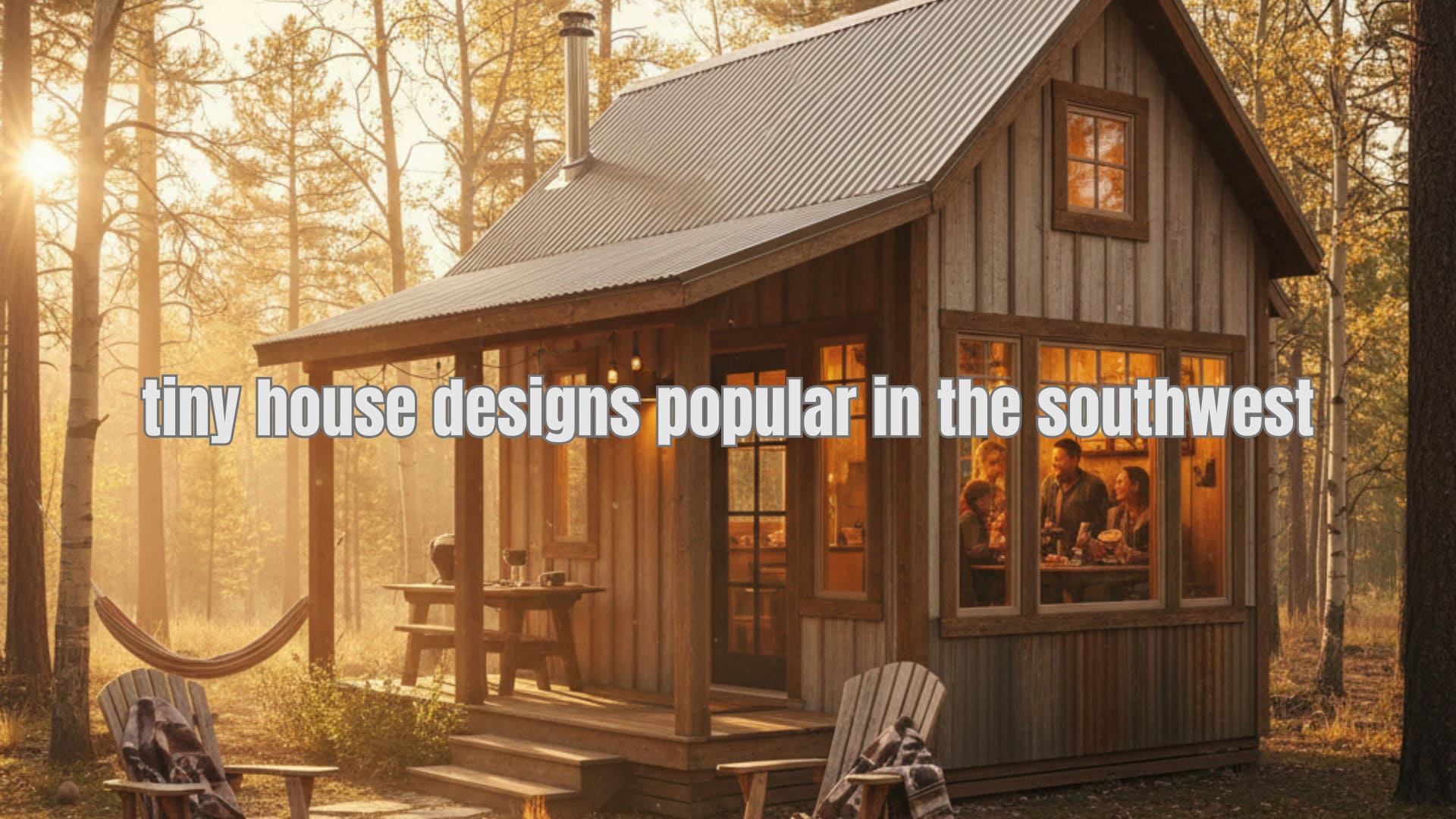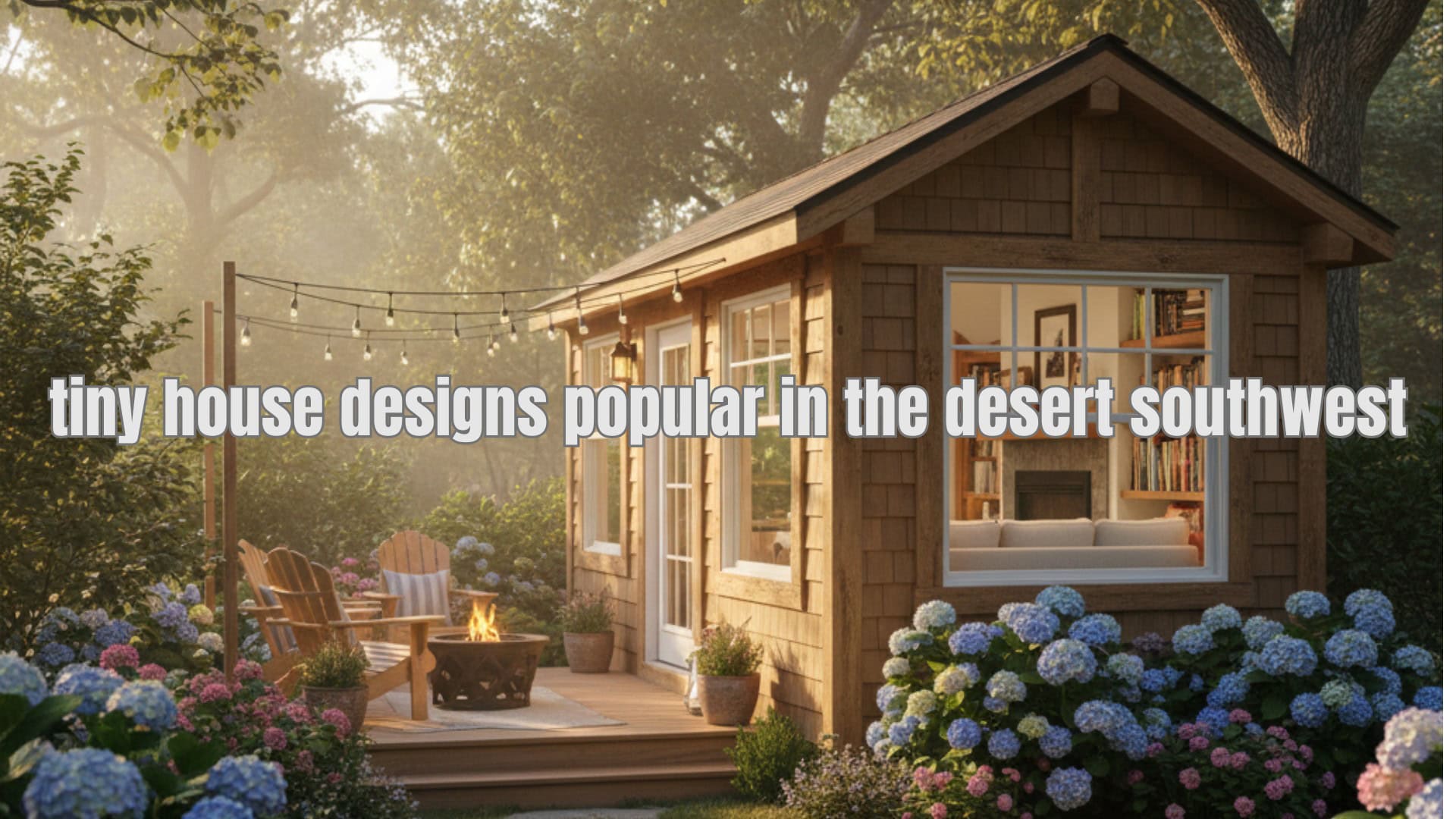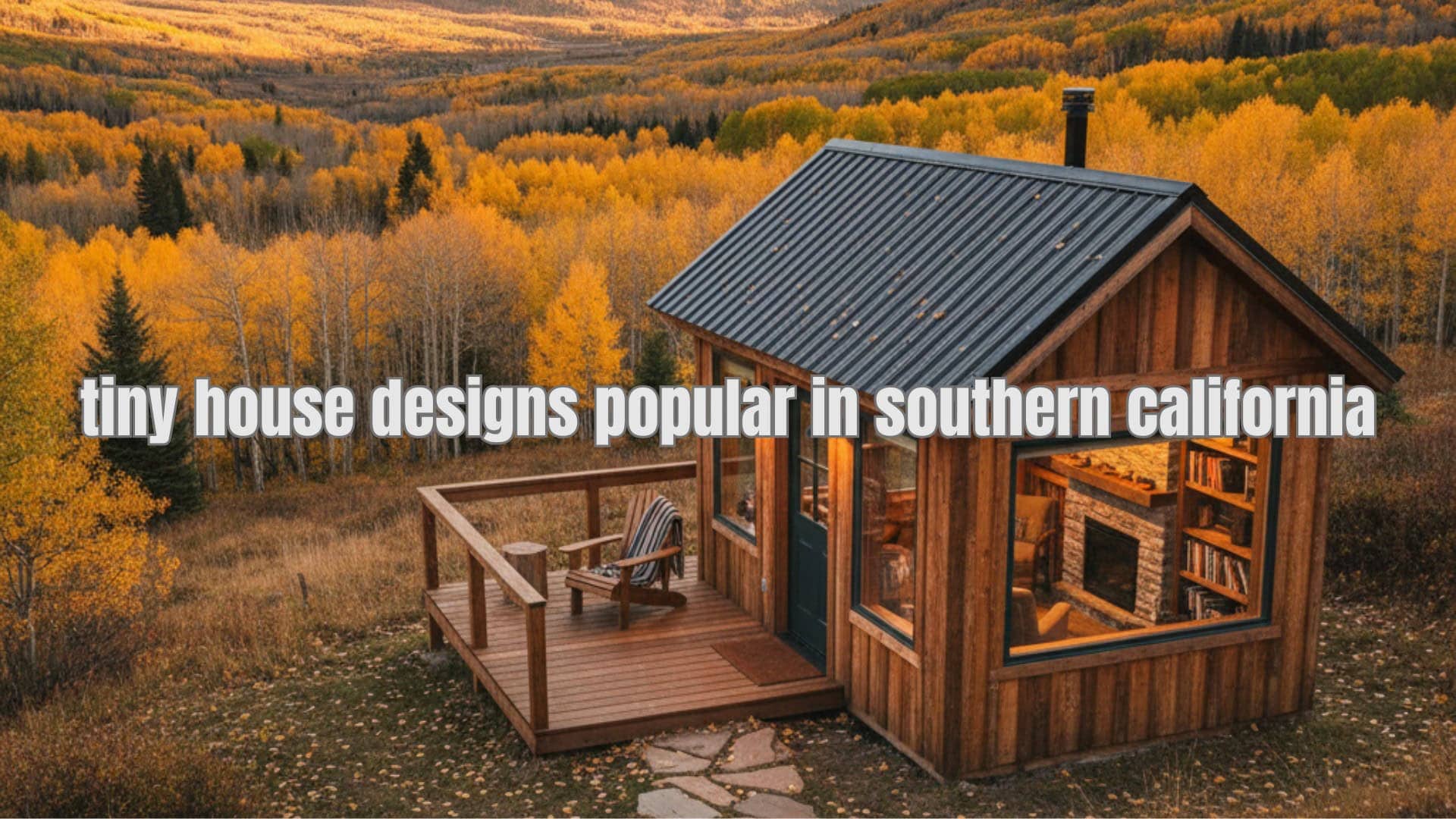
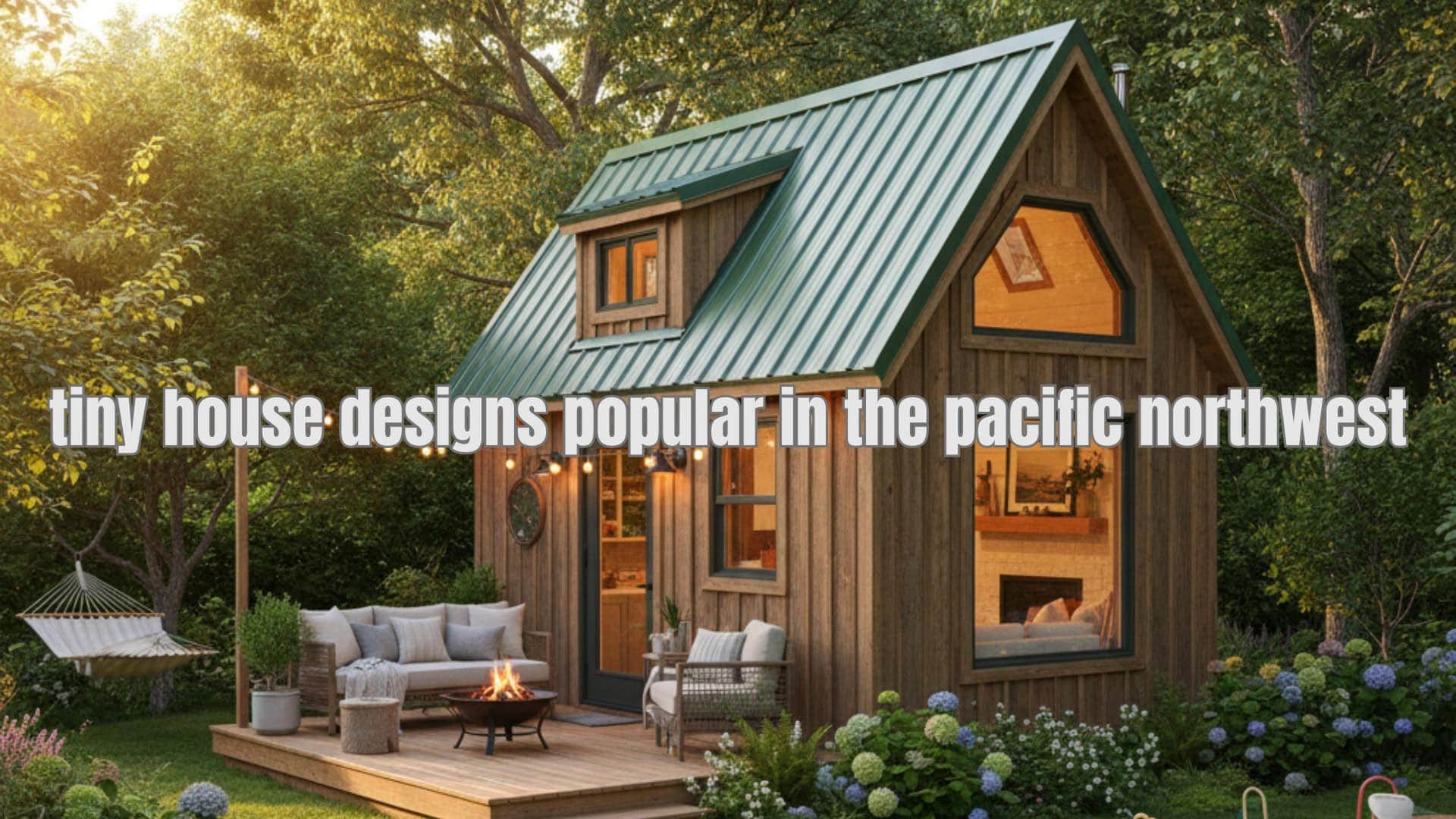
In the Pacific Northwest, where lush forests meet rugged coastlines, we find ourselves drawn to the allure of tiny house designs that blend seamlessly with the natural surroundings. These compact dwellings offer a smart response to the region’s high cost of living and desire for sustainable lifestyles. As we explore the tiny house designs popular in the Pacific Northwest, we’ll uncover how these innovative homes are reshaping the way we live, work, and connect with nature in Washington, Oregon, and beyond.
At Great Lakes Tiny Homes, we appreciate the growing interest in tiny houses as a practical solution for downsizing or creating additional living space. Our focus on quality craftsmanship aligns with the Pacific Northwest’s emphasis on eco-friendly building, allowing us to share insights that resonate with those seeking intentional, space-efficient homes in this vibrant region. This connection highlights how modular approaches can address local needs, drawing from years of experience in delivering resilient structures suited to diverse climates.
Why Tiny House Designs Are Booming in the Pacific Northwest
We see the boom in tiny house designs popular in the Pacific Northwest as a direct reflection of the area’s unique challenges and opportunities. With average home prices soaring above $500,000 in cities like Seattle and Portland, affordability has become a pressing concern for many residents. Tiny houses, often costing between $50,000 and $150,000, provide an accessible entry into homeownership without the burden of massive mortgages. This financial relief is particularly appealing in a region where property taxes and maintenance costs can strain budgets. For example, young professionals relocating to tech hubs in Seattle often turn to tiny homes as starter options, allowing them to invest in experiences like outdoor adventures rather than large properties.
Sustainability plays a pivotal role in this trend, as the Pacific Northwest’s eco-conscious culture embraces energy-efficient designs that withstand rainy winters and mild summers. We note that the area’s frequent rainfall and occasional seismic activity demand homes that minimize environmental impact while maximizing resilience. For instance, passive solar features and rainwater harvesting systems are common, reducing utility bills by up to 40% according to energy studies. These systems collect rooftop runoff for irrigation or non-potable use, integrating seamlessly with the region’s abundant water resources. Google Trends data shows a 35% increase in tiny home searches in Washington and Oregon over the past five years, underscoring the rising popularity. This surge correlates with broader movements toward carbon-neutral living, where tiny houses contribute by using 70-90% less energy than conventional homes.
Lifestyle benefits further fuel this movement. In the Pacific Northwest, minimalism allows us to prioritize experiences over possessions, fostering proximity to nature in places like the Olympic Peninsula or the Columbia River Gorge. Tiny houses enable us to live closer to hiking trails, beaches, and urban amenities without sprawling footprints. Moreover, their multi-use potential shines through as accessory dwelling units (ADUs) for aging parents or sources of rental income—especially in high-demand areas like Portland’s suburbs. We have observed families using these spaces to accommodate multigenerational living, providing privacy while keeping loved ones nearby. In rural settings, tiny homes serve as retreats for remote workers, blending work-life balance with the therapeutic effects of nature immersion.
Comparing states, Washington’s off-grid friendly policies in rural counties contrast with Oregon’s stricter urban zoning, yet both support the trend. During our visits to tiny home communities in the region, we’ve observed how these designs solve space constraints in dense neighborhoods, offering a balanced analysis backed by data from the Tiny House Industry Association. An infographic on cost savings could illustrate how a 400-square-foot tiny house saves $200,000 compared to traditional builds, highlighting the practical appeal for Pacific Northwest dwellers. Additionally, the flexibility of tiny homes in responding to economic shifts, such as post-pandemic remote work trends, has amplified their adoption, with communities reporting a 25% increase in inquiries over the last two years.
To explore options, consider searching for a tiny house for sale in Seattle or checking the best tiny home communities in Washington. These resources can guide your next steps in this booming market. For those in Oregon, similar explorations via tiny house for sale in Portland reveal even more tailored opportunities.
Popular Tiny House Design Styles Thriving in the Pacific Northwest
We delve into the popular tiny house design styles thriving in the Pacific Northwest, where local influences create homes that feel both innovative and rooted in tradition. Drawing from the region’s architectural heritage, traditional styles like shingle-style and saltbox designs capture the coastal and mountainous charm of Washington and Oregon. These feature sloped roofs for rain runoff and cedar siding that weathers beautifully against the misty backdrop. Shingle-style homes, with their overlapping wooden shingles, provide natural insulation and a textured appearance that mimics the surrounding forests, while saltbox designs offer asymmetrical roofs that shed snow efficiently in higher elevations.
Cottagecore aesthetics are particularly beloved, incorporating wood accents, cozy interiors with exposed beams, and herb gardens integrated into the layout. We envision these as perfect for the Pacific Northwest’s verdant landscapes, evoking a sense of timeless rural escape. These designs often include built-in benches and nooks that encourage gatherings, blending functionality with whimsy through elements like vintage-inspired hardware and floral patterns on textiles. Modern minimalist designs incorporate passive house technology, such as triple-pane windows and airtight envelopes, ensuring energy efficiency in the damp climate. These sleek structures use clean lines and neutral palettes to contrast with the lush outdoors, often featuring large glass panels for panoramic views of rainforests or ocean vistas.
Rustic cabin styles suit the terrain of the Cascades, with stone foundations and lofted sleeping areas that maximize vertical space. These draw from pioneer-era cabins, using log facades and antler chandeliers for an authentic feel, while incorporating modern updates like radiant floor heating. Examples abound: exteriors clad in reclaimed Douglas fir, a local material, paired with multi-functional spaces like convertible dining areas that double as offices. To compare, here’s a table of four key styles:
| Style | Pros | Cons | Pacific Northwest Fit |
|---|---|---|---|
| Shingle-Style | Durable against rain; classic look | Higher material costs | Ideal for coastal Oregon |
| Cottagecore | Cozy, customizable interiors | Limited modern tech integration | Blends with rural Washington |
| Modern Minimalist | Energy-efficient; sleek design | Less warmth in winters | Suits urban Portland |
| Rustic Cabin | Natural materials; off-grid ready | Requires more maintenance | Perfect for mountainous areas |
Exploring these designs in the Pacific Northwest, we’ve gathered tips from local builders, emphasizing sustainable tiny house architecture tied to historical logging-era cabins. Mood boards featuring sketches of loft bedrooms with skylights can inspire your vision, incorporating LSI terms like Pacific Northwest tiny home styles for better search visibility. For instance, a cottagecore tiny home might include a small greenhouse extension for year-round herb cultivation, enhancing self-sufficiency. For builder inspiration, look into tiny house builder in Portland or tiny house builder in Seattle to see how these styles are brought to life.
Essential Features of Top Pacific Northwest Tiny House Designs
We guide you through the essential features of top Pacific Northwest tiny house designs, focusing on elements that enhance livability in this temperate yet challenging climate. Space-saving innovations like Murphy beds and foldable furniture are staples, allowing us to optimize every square foot without sacrificing comfort. In a 200-400 square foot home, these features create fluid living areas that adapt to daily needs. For example, a wall-mounted desk that folds into a dining table supports hybrid work setups common in the region, while under-bed storage maximizes loft utility.
Climate readiness is crucial, with high R-value insulation (R-30 or higher) and durable materials like fiber-cement siding to combat constant moisture. We’ve seen how these withstand the Pacific Northwest’s 150+ rainy days annually, preventing issues like rot or mold through vapor barriers and proper ventilation systems. Utilities often include off-grid options such as solar panels and composting toilets, promoting self-sufficiency in remote areas. Solar setups, sized at 2-5 kW, can power essentials year-round, especially with the region’s long summer days, while composting systems handle waste without septic connections.
Safety features address local hazards: earthquake-resistant framing in seismically active Washington and wind-resistant anchoring for coastal Oregon. These include shear walls and flexible foundations that absorb shocks, ensuring stability during tremors. Aesthetics draw from local materials, like reclaimed Western red cedar for warm, aromatic interiors. To integrate these, follow this ordered list:
- Assess your site for climate exposure—prioritize insulation for rainy zones.
- Incorporate space-savers early in the design phase for seamless flow.
- Add off-grid utilities for sustainability, potentially saving 50% on energy costs per EPA data.
- Enhance safety with reinforced structures tailored to seismic or wind risks.
- Finish with local aesthetics to blend with the environment.
Our advice from prioritizing Pacific Northwest weather: Start with insulation to cut heating needs by 30%. An infographic could visualize feature synergies, addressing practicalities like ventilation to prevent mold. Ventilation systems, such as heat recovery ventilators, maintain fresh air without energy loss, crucial for the humid conditions. For communities emphasizing these features, explore the best tiny home communities in Oregon or similar options in Washington.
Navigating Regulations and Building Considerations in the Pacific Northwest
We tackle the complexities of navigating regulations and building considerations in the Pacific Northwest, a key step for anyone eyeing tiny house designs. Zoning laws vary: Washington allows ADUs in urban areas like Seattle with setbacks under 400 square feet, while Oregon’s rural counties offer more leniency for wheeled homes. Restrictions are tighter in Portland’s city core, requiring permanent foundations. In practice, this means urban builders often opt for foundation-based ADUs to comply, whereas rural enthusiasts favor mobile units for flexibility.
Permits hinge on whether your tiny house is on wheels (classified as RVs, needing RVIA certification) or a foundation (treated as permanent structures). Costs range from $5,000 to $20,000 for permits and inspections, including engineering reviews for seismic compliance. Environmental factors include flood zones along the Columbia River and heavy snow loads in the Cascades, necessitating elevated designs or reinforced roofs. For flood-prone areas, elevating on piers or using flood vents protects against water intrusion, while snow-load ratings up to 60 psf ensure roof integrity.
Here’s a state-by-state breakdown table for 2024:
| State | Zoning Highlights | Permit Costs | Key Incentives |
|---|---|---|---|
| Washington | ADU-friendly in King County; off-grid OK rural | $8K-$15K | Solar rebates up to $5K |
| Oregon | Rural allowances in Lane County; urban foundations required | $6K-$18K | Green building tax credits |
Recent 2024 changes include Washington’s expanded ADU laws, easing backyard placements and allowing up to 1,000 square feet in some zones. From our story of guiding a client through Seattle’s process, we recommend consulting local experts early to navigate variances or appeals. A downloadable permit checklist could include verifying ordinances via county sites, soil testing for foundations, and utility hookups. For detailed county info, see what counties in Washington allow tiny houses or equivalent for Oregon. Long-tail queries like ‘tiny house zoning in Oregon’ are best answered by these resources, providing step-by-step compliance paths.
Frequently Asked Questions about Tiny House Designs in the Pacific Northwest
We’ve compiled these frequently asked questions about tiny house designs in the Pacific Northwest based on common inquiries from Washington and Oregon residents. Our goal is to provide clear, actionable answers optimized for searches like ‘tiny house regulations in Washington,’ drawing from updated regulations and practical insights to help you move forward confidently. At the end, we encourage you to reach out for personalized advice on your tiny home project. These FAQs address the nuances of integrating tiny homes into diverse lifestyles, from urban rentals to rural retreats.
Where Can I Place a Tiny House in the Pacific Northwest?
In the Pacific Northwest, placement options for tiny houses depend on zoning variations across states. Washington is ADU-friendly in urban areas like Seattle, allowing backyard setups on foundations, while rural spots in eastern Washington permit off-grid wheeled units. Oregon favors rural allowances in counties like Clackamas for agricultural land, with wheels classifying as RVs for easier mobility. Always check local ordinances through county planning departments—about 60% of placements are in backyards for rental potential, per industry surveys. Coastal areas may require additional erosion assessments, while mountainous sites need slope stability evaluations.
For site evaluation, use this simple checklist:
- Verify zoning for ADUs or RVs.
- Assess flood risks near rivers and snow loads in mountains.
- Ensure utility access or off-grid feasibility.
- Confirm setbacks (typically 5-10 feet from property lines).
These considerations are unique to the region’s wet climate and terrain, ensuring safe, compliant placement. Engaging a surveyor early can prevent costly relocations.
What Customization Options Are Available for Tiny House Designs?
We offer a wealth of customization options for tiny house designs in the Pacific Northwest, from interior layouts to exterior finishes that echo the local aesthetic. Interiors can include open-plan kitchens with custom cabinetry or loft configurations for sleeping, using reclaimed wood for that warm, Pacific Northwest vibe. Exteriors might feature shingle siding inspired by coastal homes or metal roofs for rain shedding. Eco-features like solar integration and greywater systems are popular, with appliances ranging from compact Energy Star models to propane setups. Advanced options include smart home tech for remote monitoring, ideal for seasonal use.
Costs for customizations add $10,000-$30,000, with timelines extending 2-4 months depending on complexity. Popular Pacific Northwest-inspired tweaks include cedar accents and passive ventilation, such as operable clerestory windows for natural airflow. Envision your dream home: a cozy retreat with views of the evergreens, perhaps with a fold-out deck for outdoor living. For expert help, connect with custom tiny home builders in the Pacific Northwest, incorporating terms like sustainable materials for your build. Collaborating with designers ensures options align with personal needs and regulatory requirements.
What Standard Features Come with Pacific Northwest Tiny Houses?
Standard features in Pacific Northwest tiny houses are tailored for the region’s harsh winters and mild summers, ensuring durability and efficiency. High R-40 insulation in walls and roofs combats dampness, far exceeding non-Pacific Northwest standards of R-19. Energy-efficient windows with low-E coatings reduce heat loss, while compact kitchens boast quartz countertops and induction cooktops for space efficiency. These kitchens often include pull-out pantries to maximize storage in limited footprints.
Lofts provide elevated sleeping with safety rails, and snow-load roofs (rated 50 psf) handle Cascade accumulations. Compared to sunnier regions, these homes emphasize moisture barriers and dehumidifiers, with integrated systems like whole-house fans for humidity control. We endorse their robustness, having seen them thrive through rainy seasons—bullet points for key standards:
- Insulation: R-40 for winter warmth.
- Windows: Double-pane, argon-filled.
- Kitchens: Galley-style with stackable appliances.
- Roofs: Pitched for snow and rain.
- Bathrooms: Wet rooms with composting options.
These make Pacific Northwest tiny houses reliable havens, with added touches like LED lighting for energy savings and durable vinyl flooring for easy maintenance.
Key Takeaways on Tiny House Designs Popular in the Pacific Northwest
We summarize the key takeaways on tiny house designs popular in the Pacific Northwest to reinforce the benefits for sustainable, affordable living in Washington and Oregon. This recap ties back to our earlier points on booming trends, styles, features, and regulations, emphasizing data-driven advantages like the 35% search surge and 40% energy savings. By embracing these designs, we can achieve greater financial freedom and environmental harmony in a region that values both.
- We appreciate how affordability counters $500K+ home prices, making tiny houses a viable option for Pacific Northwest families, with potential mortgage savings redirected toward education or travel.
- Sustainable designs with local materials like cedar align with our eco-values, addressing rainy climates effectively through innovative water management.
- Popular styles from cottagecore to modern minimalist offer versatile, nature-integrated living, adaptable to urban or wilderness settings.
- Essential features like high insulation and off-grid utilities ensure resilience against regional hazards, promoting long-term self-reliance.
- Navigating zoning—ADU-friendly in urban WA, rural OK in OR—requires expert consultation for smooth builds, avoiding common pitfalls like permit delays.
- Customizations enhance personalization, with costs balanced by long-term savings on utilities and maintenance.
- Overall, these designs promote minimalism and multi-use potential, ideal for our Pacific Northwest lifestyle, fostering communities centered on shared values.
An infographic recapping cost comparisons could aid visualization. Ready to start? Contact us to begin your tiny house journey in the Pacific Northwest today. At Great Lakes Tiny Homes, our experience in crafting turnkey modular and park model homes across the lower 48 states positions us as a reliable partner for those exploring tiny living. We deliver quality solutions tailored to regional needs, ensuring a seamless process from design to installation, no matter your location.