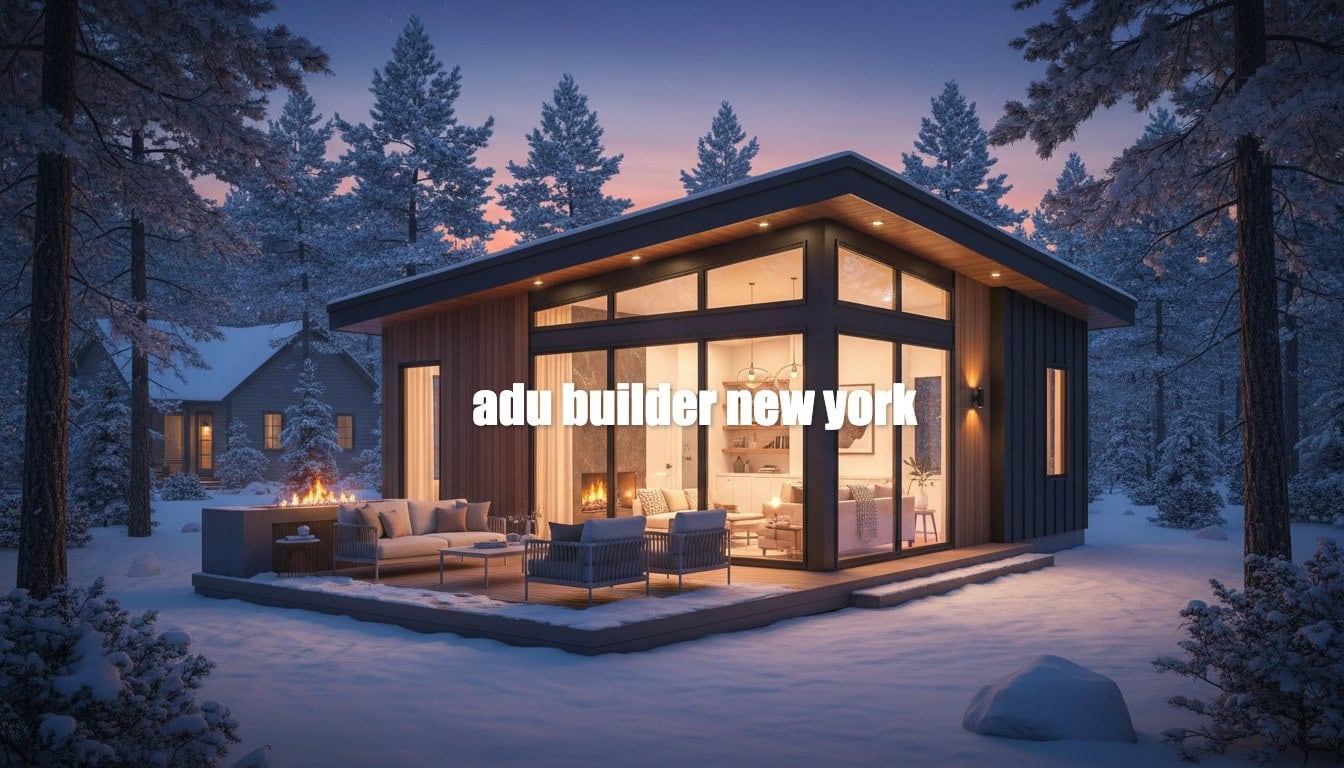
When we’re considering adding an Accessory Dwelling Unit (ADU) to our New York property, the stakes couldn’t be higher. With typical ADU projects ranging from $150,000 to $400,000 or more, choosing the wrong builder can turn our dream of additional income or family housing into a financial nightmare. We’ve seen too many homeowners fall victim to inexperienced contractors who promise the world but deliver subpar results, cost overruns, and endless delays.
New York’s ADU market is experiencing unprecedented growth, driven by housing shortages and new legislation making these units more accessible. However, this boom has also attracted builders who lack the specialized knowledge required for ADU construction. The difference between hiring a true ADU specialist and a general contractor attempting their first accessory unit can mean the difference between a smooth 8-month project and an 18-month ordeal filled with permit rejections and code violations.
We understand the anxiety that comes with making this investment. By the end of this guide, you’ll have the knowledge and tools needed to make an informed decision that protects your investment and delivers the ADU of your dreams.
For homeowners exploring alternative housing solutions, it’s worth considering that traditional ADUs aren’t the only option. Granny pods and modular homes offer compelling alternatives that can be significantly more cost-effective than conventional ADU construction. While a traditional ADU might cost $200,000-$400,000, granny pods typically range from $60,000-$120,000 and can be installed much faster. When compared to assisted living facilities that can cost $4,000-$8,000 per month, a granny pod represents a one-time investment that provides long-term housing security for aging family members.
Ready to explore your options? Book a call with our experts who have helped hundreds of customers make their tiny home dreams a reality.
Custom vs. Prefab ADU Builders: Which Is Right for Our Project?
When we’re evaluating ADU builders in New York, one of our first decisions involves choosing between custom builders and prefab specialists. This choice fundamentally shapes our project’s timeline, budget, and final outcome.
Custom ADU builders like those specializing in tiny house builders in New York offer unlimited design flexibility but require longer timelines and higher budgets. These builders typically charge $250-$500 per square foot and take 12-18 months to complete projects. We get exactly what we envision, from unique architectural details to custom storage solutions.
Prefab ADU specialists offer turnkey solutions ranging from $185,000-$350,000 with 6-9 month timelines. Companies like Abodu provide pre-designed units that can be customized within certain parameters. While we sacrifice some design freedom, we gain predictable costs and faster occupancy.
Decision Framework for Choosing Your Approach:
- Choose Custom if: We have unique site constraints, want specific architectural styles, have flexible timelines, or budget exceeds $300,000
- Choose Prefab if: We prioritize speed and cost predictability, have standard lot configurations, or need occupancy within 9 months
- Consider Hybrid if: We want some customization but need faster timelines than full custom allows
The quality difference between well-executed custom and prefab ADUs is often minimal. What matters more is the builder’s experience and attention to detail. From a total cost of ownership perspective over 10 years, prefab units often perform better due to lower initial investment and faster rental income generation.
How to Choose an ADU Builder: Essential Selection Criteria
Selecting the right ADU builder requires a systematic evaluation process that goes far beyond comparing quotes. We need to assess multiple factors that indicate a builder’s capability to deliver our project successfully and on time.
Licensing and Insurance Requirements:
Every ADU builder we consider must hold a valid New York contractor’s license appropriate for residential construction. We verify this through the New York State Department of Labor’s licensing database. Additionally, builders must carry general liability insurance of at least $1 million and workers’ compensation coverage.
ADU-Specific Experience Evaluation:
We prioritize builders who have completed at least 10 ADU projects in New York within the past three years. General contractors who primarily build additions or remodels often underestimate ADU complexities. We ask for a portfolio showing completed ADUs with square footage, costs, and timelines.
Pricing Transparency and Contract Evaluation:
Reputable builders provide detailed line-item estimates breaking down materials, labor, permits, and contingencies. We’re wary of builders who provide only lump-sum bids or require large upfront payments. Contracts should specify materials by brand and model, include change order procedures, and outline payment schedules tied to completion milestones.
Red Flags to Watch For:
- Requesting more than 10% down payment before permits are approved
- Unable to provide local ADU references from the past year
- Vague timelines or unwillingness to commit to completion dates
- No dedicated project manager or communication system
- Significantly lower bids than other qualified contractors
Builder Evaluation Scorecard:
We recommend scoring potential builders on these weighted criteria:
- ADU Experience (30%): Number of completed ADUs, years specializing
- References and Reviews (25%): Client satisfaction, problem resolution
- Communication and Project Management (20%): Responsiveness, systems, transparency
- Pricing and Contract Terms (15%): Detailed estimates, fair payment terms
- Licensing and Insurance (10%): Proper credentials, adequate coverage
Builders scoring below 80% on our evaluation should be eliminated from consideration, regardless of their pricing.
The ADU Building Process in New York: What to Expect
Understanding the ADU construction process helps us set realistic expectations and identify potential delays before they impact our timeline. Each phase has specific deliverables and typical duration ranges that vary based on project complexity and local jurisdiction requirements.
Phase 1: Feasibility and Site Assessment (1-2 weeks)
Our builder evaluates site conditions including setback requirements, utility access, soil conditions, and zoning compliance. This phase identifies potential challenges like tree removal needs, utility upgrades, or drainage issues.
Phase 2: Design and Planning (4-8 weeks)
Architectural plans are developed based on our needs and site constraints. This includes floor plans, elevations, structural engineering, and utility routing. Changes during this phase are much less expensive than modifications during construction.
Phase 3: Permitting (2-6 months)
New York’s permitting process varies significantly by municipality. New York City typically takes 4-6 months, while smaller municipalities may approve permits in 6-8 weeks. Experienced ADU builders navigate this process more efficiently by maintaining relationships with local building departments.
Phase 4: Construction (4-8 months)
Construction begins with site preparation and foundation work, followed by framing, utilities, and finishes. Weather delays are common during winter months in New York. We should expect regular progress updates and be prepared for minor delays.
Phase 5: Final Inspection and Occupancy (2-4 weeks)
Multiple inspections are required including electrical, plumbing, mechanical, and final building inspection. Our builder coordinates these inspections and addresses any required corrections.
What Can Go Wrong and Mitigation Strategies:
- Permit Delays: Choose builders with strong local relationships and permit experience
- Weather Delays: Plan construction start dates to minimize winter exposure
- Material Delays: Ensure contracts include material procurement timelines and substitution procedures
- Inspection Failures: Work with builders who understand local code requirements
Total timeline expectations range from 10-18 months for custom ADUs and 6-12 months for prefab units, including all phases from initial consultation to occupancy.
ADU Building Costs in New York: Complete Budget Breakdown
Understanding the true cost of ADU construction in New York requires examining both obvious expenses and hidden costs that often surprise homeowners. Regional variations, local requirements, and project specifications all significantly impact final budgets.
Regional Cost Variations:
- New York City: $300,000-$500,000 (higher labor costs, complex permitting)
- Long Island: $250,000-$400,000 (moderate costs, suburban constraints)
- Hudson Valley: $200,000-$350,000 (lower labor costs, rural considerations)
- Upstate New York: $150,000-$300,000 (most affordable, fewer regulatory hurdles)
Detailed Cost Breakdown by Component:
- Design and Architecture (5-10%): $10,000-$25,000 for custom plans
- Permitting and Fees (2-5%): $5,000-$15,000 depending on jurisdiction
- Site Preparation (5-15%): $15,000-$45,000 including utilities and access
- Construction (60-70%): $120,000-$280,000 for structure and finishes
- Utilities (5-10%): $15,000-$30,000 for electrical, plumbing, HVAC
- Landscaping and Final Details (5-10%): $10,000-$25,000
Cost Per Square Foot by ADU Type:
- Detached New Construction: $300-$500/sq ft
- Garage Conversion: $200-$350/sq ft
- Basement Conversion: $150-$300/sq ft
- Prefab Installation: $250-$400/sq ft including site work
Hidden Costs Often Missed:
- Utility connection fees: $5,000-$15,000
- Impact fees and development charges: $2,000-$10,000
- Soil testing and environmental assessments: $1,000-$5,000
- Tree removal and protection: $2,000-$15,000
- Temporary housing during construction: $5,000-$20,000
- Furniture and appliances: $10,000-$25,000
Cost-Saving Strategies Without Sacrificing Quality:
- Choose standard sizes that don’t require custom engineering
- Select mid-range finishes that offer good value and durability
- Bundle projects with main house improvements for contractor discounts
- Time construction to avoid peak season pricing
- Consider prefab options for faster, more predictable costs
Financing Options Available:
- Home Equity Loans: 6-8% rates, fixed terms, tax-deductible interest
- Construction Loans: 7-9% rates, convert to permanent financing
- Cash-Out Refinancing: 5-7% rates, access home equity
- Personal Loans: 8-12% rates, no collateral required
New York ADU Regulations and Permitting: What Builders Must Navigate
New York’s ADU regulatory landscape varies dramatically by municipality, making builder expertise in local requirements crucial for project success. Understanding these regulations helps us evaluate whether potential builders truly understand the complexities they’ll face.
Statewide ADU Framework:
New York State doesn’t have comprehensive statewide ADU legislation like California, leaving regulations primarily to local municipalities. Recent housing initiatives have encouraged local governments to adopt ADU-friendly policies. This patchwork of regulations means builders must understand specific requirements for each jurisdiction.
New York City ADU Regulations:
- Zoning Requirements: ADUs allowed in R1-R5 districts with specific size limitations
- Size Limits: Maximum 30% of main dwelling or 800 sq ft, whichever is less
- Parking: Generally not required in transit-accessible areas
- Owner Occupancy: Required in one of the units on the property
- Setbacks: Minimum 8 feet from rear property line, 5 feet from side lines
Long Island Municipality Variations:
Nassau and Suffolk Counties have different approaches to ADUs. Some municipalities allow them by right, while others require special permits or variances. Experienced builders maintain current knowledge of each town’s specific requirements and approval processes.
Common Permitting Challenges and Solutions:
- Setback Variances: Required when standard setbacks can’t be met; experienced builders know which variances are typically approved
- Utility Capacity: Older neighborhoods may require utility upgrades; builders should assess capacity during feasibility phase
- Historic Districts: Additional design review required; builders need experience with preservation requirements
- Environmental Reviews: Required in some areas; builders should understand SEQRA requirements
Permitting Timeline Expectations:
- New York City: 4-6 months for standard applications
- Suburban Municipalities: 2-4 months depending on complexity
- Rural Areas: 1-3 months with simpler requirements
- Projects Requiring Variances: Add 2-4 months for board approvals
Builders who specialize in ADUs typically navigate permitting 30-50% faster than general contractors due to their familiarity with requirements and relationships with building departments.
ADU Return on Investment: Financial Benefits and Property Value Impact
Understanding the financial returns from our ADU investment helps justify the initial cost and guides our decision-making throughout the project. New York’s strong rental market and housing demand create favorable conditions for ADU returns.
Property Value Increase Analysis:
ADUs typically increase property values by 20-35% of the ADU’s construction cost. A $300,000 ADU might add $60,000-$105,000 to our property value immediately upon completion. In high-demand areas like New York City and desirable suburbs, the increase can be even higher.
Rental Income Potential by Region:
- New York City: $2,500-$4,500/month for 400-800 sq ft units
- Long Island: $1,800-$3,200/month depending on proximity to NYC
- Hudson Valley: $1,500-$2,800/month in desirable towns
- Upstate Cities: $1,200-$2,200/month in Albany, Syracuse, Rochester
ROI Timeline Calculations:
Based on average construction costs and rental rates:
- NYC ADU ($400,000 cost, $3,500/month rent): 9.5-year payback period
- Suburban ADU ($300,000 cost, $2,500/month rent): 10-year payback period
- Upstate ADU ($200,000 cost, $1,700/month rent): 9.8-year payback period
These calculations assume 90% occupancy rates and account for maintenance, insurance, and property tax increases.
Tax Implications and Benefits:
- Rental Income: Taxable but offset by depreciation and expense deductions
- Depreciation: 27.5-year schedule for residential rental property
- Deductible Expenses: Maintenance, repairs, insurance, property management
- Interest Deduction: Mortgage interest on ADU construction loans
Alternative Uses Beyond Rental Income:
- Multi-generational Living: Housing aging parents (saves $4,000-8,000/month vs. assisted living)
- Home Office: Dedicated workspace separate from main residence
- Guest Accommodation: High-end guest suite for visitors
- Adult Children Housing: Affordable option for young adults starting careers
Comparison to Other Investments:
Over 10 years, ADUs typically outperform many traditional investments:
- ADU Investment: 8-12% annual return including appreciation and rental income
- Stock Market (S&P 500): 7-10% historical average
- Real Estate Investment Trusts: 6-9% average returns
- Bonds: 3-5% current yields
ADUs offer the additional benefits of tax advantages, inflation protection, and personal use flexibility that other investments don’t provide.
Common ADU Building Mistakes and How to Avoid Them
Learning from others’ mistakes can save us thousands of dollars and months of delays. We’ve identified the most common pitfalls that trip up ADU projects and the strategies to avoid them.
Choosing the Wrong Builder Type:
Many homeowners hire general contractors who lack ADU-specific experience, leading to permit delays, code violations, and cost overruns. We should prioritize builders who have completed at least 10 ADUs in our local area and understand the unique challenges these projects present.
Underestimating Total Costs:
Initial estimates often exclude hidden costs like utility connections, permit fees, and site preparation. We recommend budgeting an additional 15-20% contingency beyond the base construction cost. This buffer protects us from unexpected expenses and change orders.
Ignoring Local Regulations:
Each municipality has specific ADU requirements that can significantly impact design and cost. Builders who don’t understand local setback requirements, parking rules, or design standards often face permit rejections and expensive redesigns.
Poor Site Planning:
Inadequate attention to utility access, drainage, and tree preservation can create major problems during construction. We should insist on thorough site surveys and utility assessments before finalizing designs.
Skimping on Design to Save Money:
Cutting corners on architectural planning often leads to functionality problems and reduced rental appeal. Investing in good design pays dividends through higher rental rates and better long-term satisfaction.
Inadequate Contract Terms:
Vague contracts without specific timelines, material specifications, and change order procedures leave us vulnerable to disputes and cost escalation. We should insist on detailed contracts with clear milestone payments and completion dates.
Real Project Horror Stories and Lessons Learned:
- The $50,000 Permit Delay: A Long Island homeowner hired a general contractor who didn’t understand local ADU requirements. Three permit rejections and six months later, they had to hire an ADU specialist to fix the plans.
- The Utility Nightmare: A Brooklyn project stalled for four months when the builder discovered the electrical service couldn’t support the ADU. Proper utility assessment during planning would have identified this issue.
- The Foundation Failure: Poor soil testing led to foundation problems that required expensive underpinning. The project cost increased by $40,000 and took an extra three months.
Mistake Prevention Checklist by Project Phase:
- Planning Phase: Verify builder ADU experience, conduct thorough site assessment, understand all local requirements
- Design Phase: Invest in quality architectural plans, consider long-term flexibility, plan for adequate storage
- Permitting Phase: Use experienced builders, allow adequate time, have backup plans for common issues
- Construction Phase: Maintain regular communication, inspect work quality, document any changes
Financing Your New York ADU: Comprehensive Funding Guide
Securing appropriate financing for our ADU project requires understanding the various options available and choosing the one that best fits our financial situation and project timeline.
Home Equity Loans and HELOCs:
Home equity loans offer fixed rates (currently 7-9%) and predictable monthly payments, making them ideal for borrowers who prefer payment certainty. HELOCs provide flexibility with variable rates (currently 6-8%) and interest-only payment options during construction. Both options typically allow borrowing up to 80-85% of home value minus existing mortgage balance.
Cash-Out Refinancing:
When current mortgage rates are competitive with our existing rate, cash-out refinancing can provide ADU funding at the lowest possible interest rate (currently 6-7%). This option works best when we can improve our overall mortgage terms while accessing equity for construction.
Construction Loans:
Construction-to-permanent loans start as interest-only during building and convert to traditional mortgages upon completion. Rates typically run 1-2% above conventional mortgage rates. These loans work well when we don’t have sufficient equity for other options or want to preserve existing favorable mortgage terms.
Specialized ADU Financing Programs:
- RenoFi Loans: Allow borrowing based on after-renovation value, potentially accessing more funds than traditional options
- Local Credit Union Programs: Some New York credit unions offer specialized ADU financing with competitive rates
- SBA Loans: Available for ADUs used as rental properties, offering longer terms and lower down payments
Financing Decision Tree:
- Choose Home Equity Loan if: We want fixed payments and have significant equity
- Choose HELOC if: We need flexibility and plan to pay down quickly
- Choose Cash-Out Refinancing if: Current rates are competitive with our existing mortgage
- Choose Construction Loan if: We have limited equity or want to preserve existing mortgage
Credit Requirements and Approval Process:
Most ADU financing requires credit scores of 680+ and debt-to-income ratios below 43%. Lenders evaluate the project’s feasibility and may require architectural plans and contractor estimates before approval. The approval process typically takes 30-45 days for most loan types.
Payment Structures and Construction Milestones:
Construction loans typically disburse funds based on completion milestones: foundation completion (25%), framing and roof (25%), mechanical rough-in (25%), and final completion (25%). This protects both borrower and lender by ensuring funds are released as work progresses.
Frequently Asked Questions About ADU Builders in New York
How long does it take to build an ADU in New York?
Timeline varies by project type and location. Custom ADUs typically take 12-18 months from initial consultation to occupancy, while prefab units can be completed in 8-12 months. New York City projects generally take longer due to complex permitting requirements.
How much does an ADU cost in New York?
Costs range from $150,000-$500,000 depending on size, location, and finishes. New York City projects typically cost $300,000-$500,000, while upstate projects may cost $150,000-$300,000. Prefab options generally cost 15-25% less than custom construction.
Do I need an ADU specialist or can a general contractor build it?
While general contractors can build ADUs, specialists typically deliver better results faster and more cost-effectively. ADU specialists understand local regulations, have established relationships with building departments, and know common pitfalls to avoid.
What’s the difference between custom and prefab ADU builders?
Custom builders offer unlimited design flexibility but require longer timelines and higher costs. Prefab builders provide faster delivery and more predictable pricing but with limited customization options. The choice depends on our priorities for timeline, budget, and design flexibility.
How do I verify an ADU builder’s credentials?
Check their contractor’s license through the New York State Department of Labor, verify insurance coverage directly with their provider, and contact recent ADU clients for references. Review their portfolio of completed ADUs and ask about their experience with local permitting processes.
Can ADU builders help with financing?
Some builders have relationships with lenders who specialize in ADU financing and can provide referrals. However, we should independently research financing options to ensure we get the best terms available.
What warranties should ADU builders provide?
Minimum warranties should include one year for workmanship and materials, with longer warranties for major systems like roofing (5-10 years) and structural elements (10 years). Get warranty terms in writing and understand what’s covered and excluded.
How involved do I need to be in the building process?
Involvement levels vary by builder, but expect weekly progress updates and approval requests for any changes. Good builders provide online portals or regular communication to keep us informed without requiring daily oversight.
What happens if my builder goes out of business mid-project?
This risk highlights the importance of verifying builder financial stability and avoiding large upfront payments. Consider builders who are bonded, which provides some protection. Never pay more than 10% down or pay ahead of completed work milestones.
How do I handle disputes with my ADU builder?
Start with direct communication to resolve issues. If that fails, review your contract for dispute resolution procedures. Many contracts require mediation before litigation. Document all communications and keep detailed records of work progress and payments.
Conclusion: Taking the Next Steps with Our New York ADU Project
We’ve covered the essential elements of finding and working with the right ADU builder in New York. The key takeaways that will protect our investment and ensure project success include: prioritizing builders with specific ADU experience over general contractors, understanding the true costs including hidden expenses and regional variations, and allowing adequate time for New York’s complex permitting processes.
The most successful ADU projects we’ve observed share common characteristics: homeowners who thoroughly vetted their builders, budgeted realistically with appropriate contingencies, and maintained realistic timeline expectations. Whether we choose custom or prefab construction, the builder’s expertise in local regulations and ADU-specific challenges matters more than their lowest bid.
Our 30-Day ADU Action Plan:
- Week 1: Research local ADU regulations, identify 5-7 potential builders, request initial consultations
- Week 2: Conduct site feasibility assessment, review builder portfolios and references, verify credentials
- Week 3: Request detailed proposals from top 3 builders, compare costs and timelines, check references
- Week 4: Finalize builder selection, review contracts thoroughly, secure financing pre-approval
New York’s strong rental market and housing demand create an excellent environment for ADU investments. With proper planning and the right builder, our ADU can provide steady rental income, increase property value, and offer flexible housing solutions for our family’s changing needs.
Before signing with any builder, we should have: verified their ADU-specific experience and credentials, received detailed cost breakdowns from multiple builders, secured financing pre-approval, and thoroughly reviewed all contract terms including warranties and change order procedures.
For those exploring alternatives to traditional ADUs, understanding what counties in New York allow tiny houses can open up additional housing options that might better suit specific needs and budgets.
The transformative potential of ADUs extends beyond financial returns. These units address New York’s housing shortage while providing homeowners with flexible, valuable assets that adapt to changing life circumstances. Whether used for rental income, multi-generational living, or personal workspace, a well-built ADU becomes an integral part of our property’s long-term value and utility.
We encourage you to begin with free consultations from qualified ADU builders in your area. Most reputable builders offer initial site assessments and feasibility discussions at no cost, providing valuable insights into your property’s potential and project requirements.
Ready to start your ADU journey? Book a call with our experts who have helped hundreds of customers make their tiny home dreams a reality.