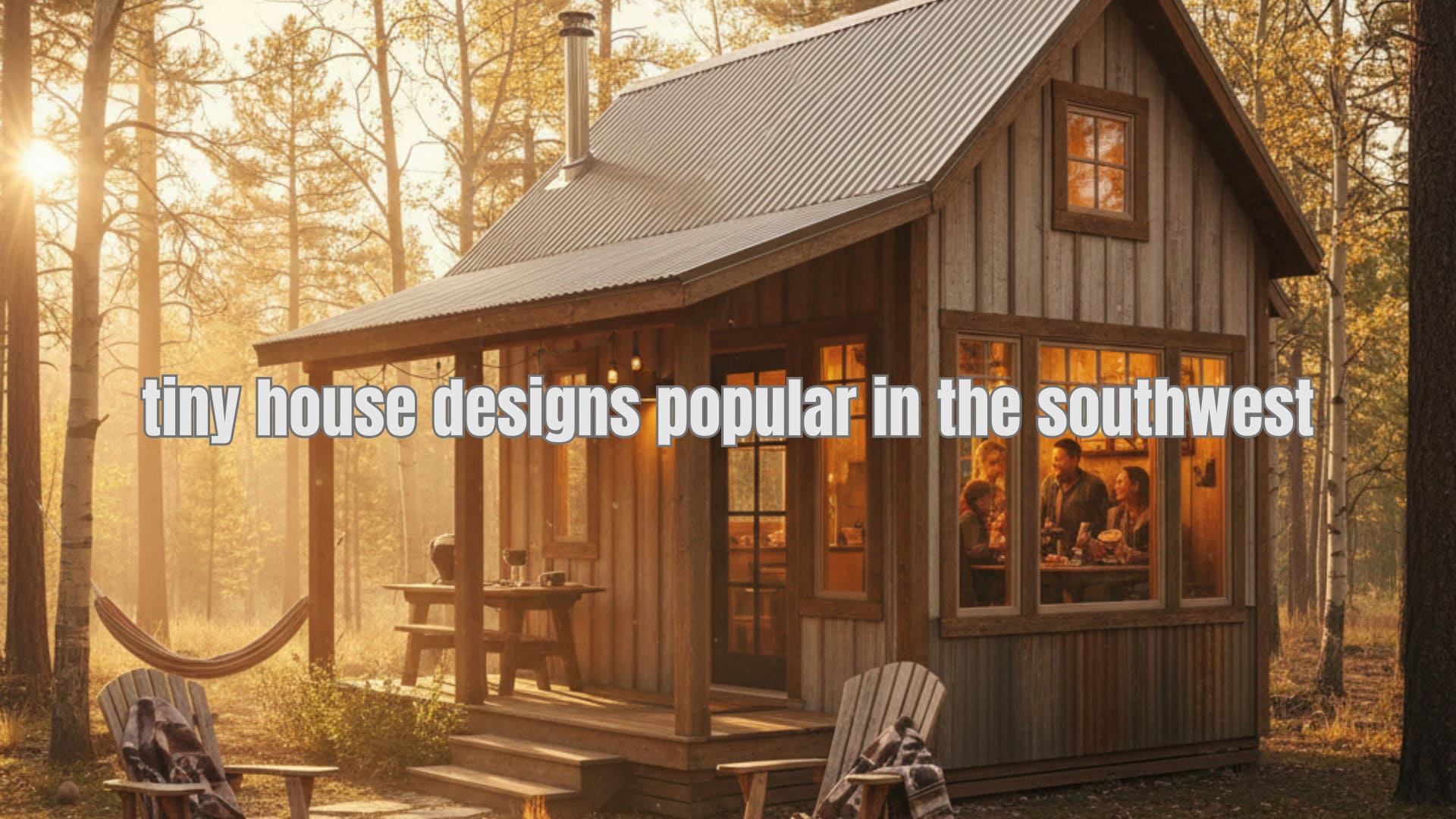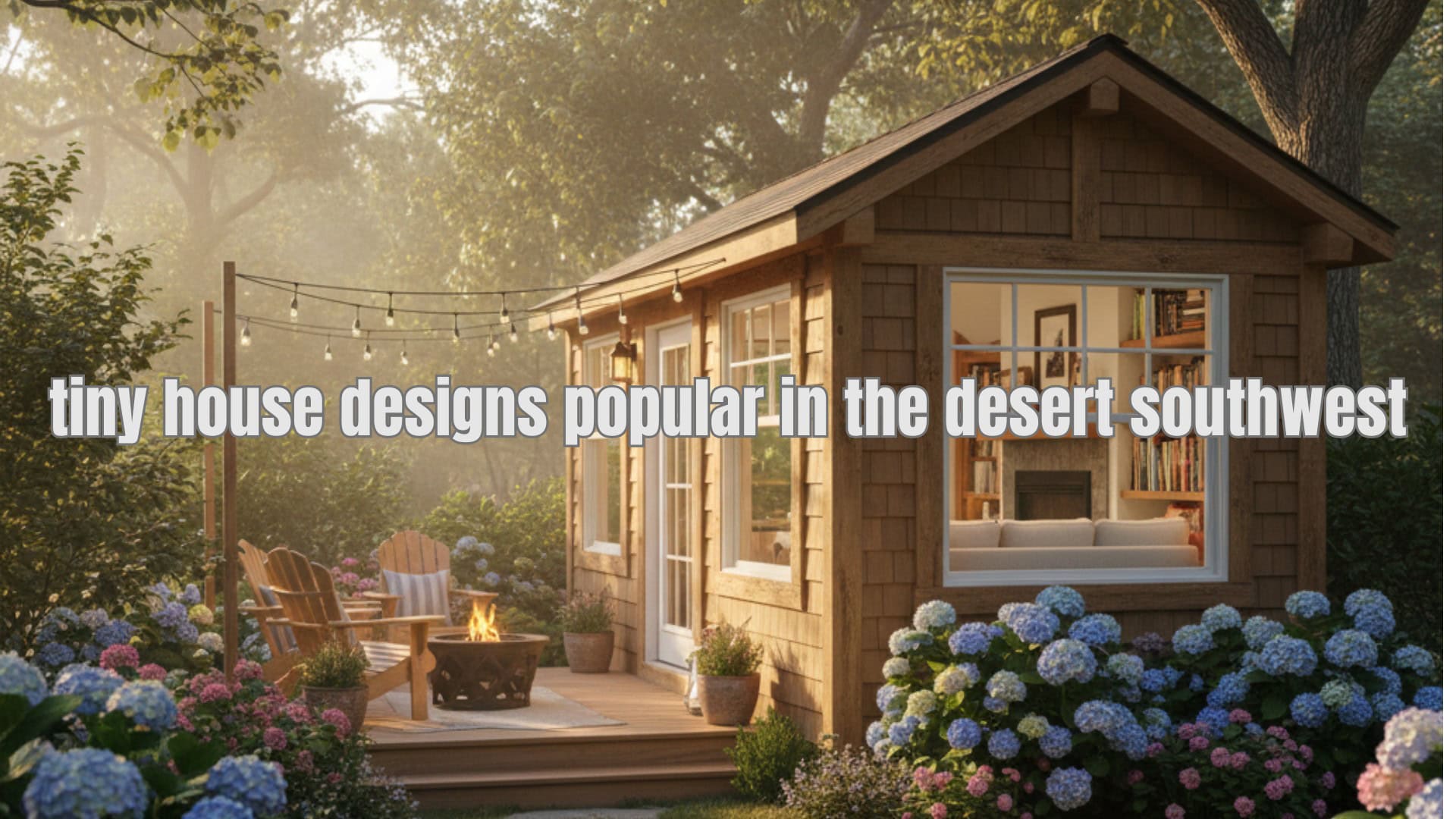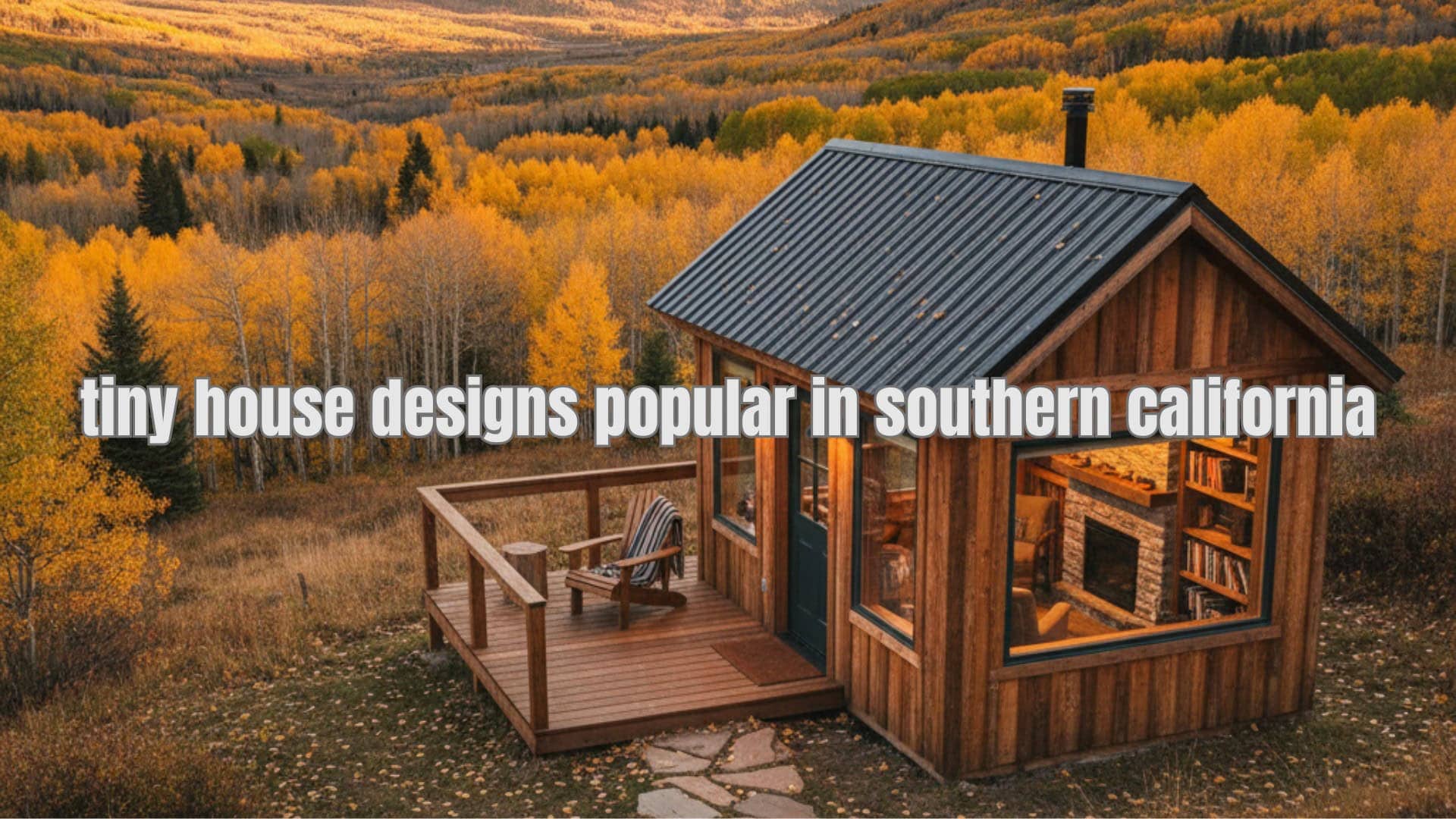
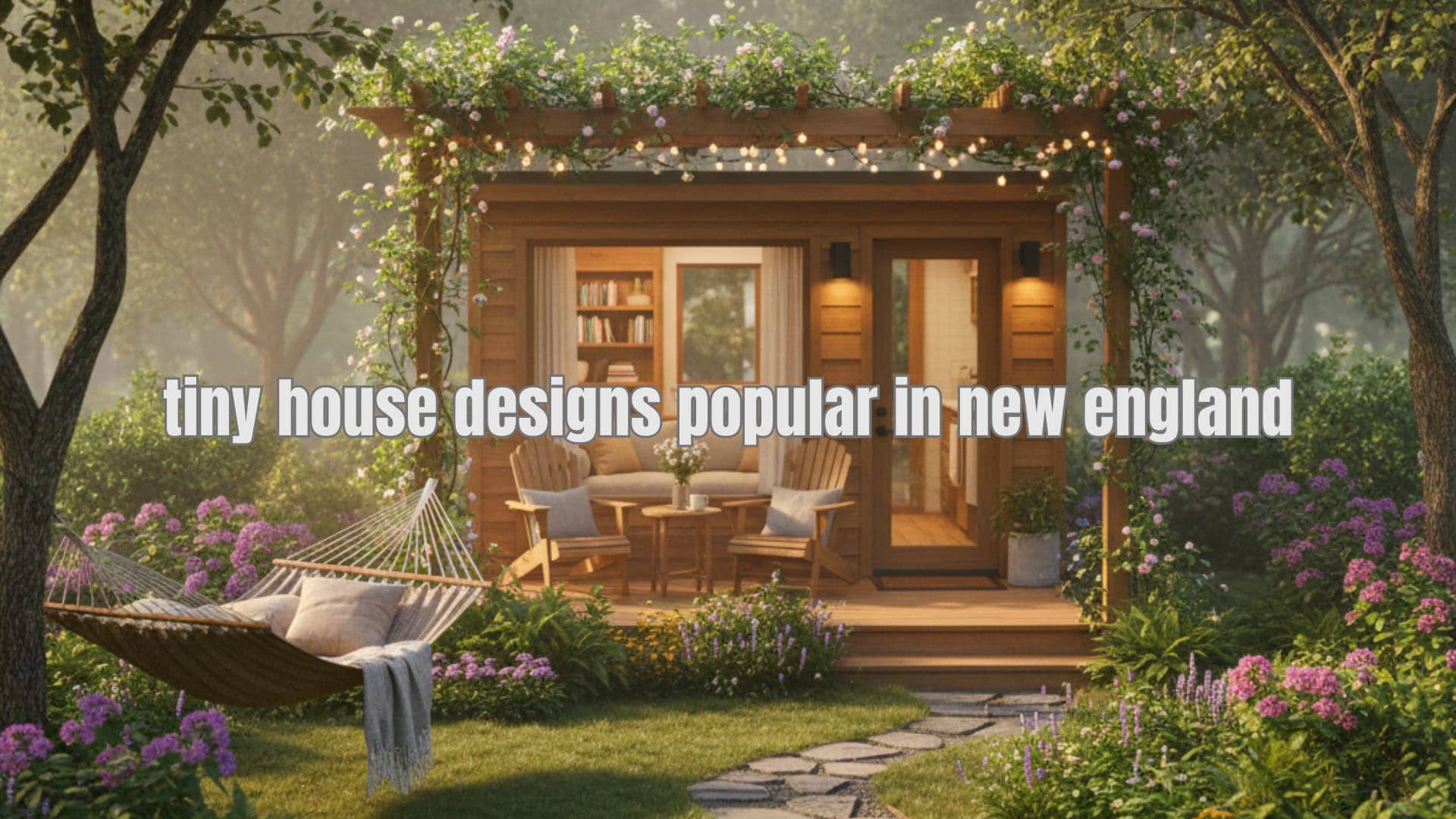
In New England, where historic charm meets modern innovation, tiny house designs popular in New England are capturing our imagination. We see these compact dwellings as more than just small spaces; they represent a shift toward simpler, more intentional living amid the region’s stunning landscapes and bustling cities. As housing costs soar and environmental awareness grows, we’re drawn to the appeal of tiny homes that fit seamlessly into our lives here. The blend of autumn foliage in Vermont’s forests and the salty breezes along Maine’s shores inspires us to rethink how we inhabit these spaces, prioritizing quality over quantity in our daily environments.
From the rugged coastlines of Maine to the rolling hills of Vermont, tiny houses offer a practical solution to our region’s challenges. We appreciate how these designs blend functionality with the aesthetic traditions of New England, creating homes that are both efficient and evocative of our heritage. Whether you’re dreaming of a cozy retreat or a multi-generational addition, understanding the popular trends can help us make informed choices. These homes allow us to embrace the changing seasons fully, from preparing for blustery winters to enjoying vibrant summers, all while maintaining a footprint that’s kind to the land we cherish.
At Great Lakes Tiny Homes, we focus on crafting quality tiny homes that align with regional needs. Our experience in sustainable building practices makes us attuned to the unique demands of New England living, from weather-resistant materials to space-optimizing layouts. We draw on these insights to guide others toward designs that enhance lifestyle without compromising on comfort.
Why Tiny House Designs Are Booming in New England
We can’t ignore the surge in interest for tiny house designs popular in New England. With average home prices exceeding $450,000 across the region, affordability is a key driver. Tiny homes, often costing under $100,000, provide a viable alternative to traditional housing, allowing us to own property without the financial strain of high mortgages and property taxes. This economic shift is particularly evident in urban areas like Boston, where young professionals and families alike are turning to tiny homes to stay rooted in their communities despite skyrocketing real estate values.
Sustainability plays a huge role too, especially in our eco-conscious New England communities. The region’s harsh winters and variable climate demand energy-efficient designs that reduce heating costs by up to 50%, according to energy studies. We value how tiny houses minimize our carbon footprint through features like solar panels and recycled materials, aligning with local initiatives in states like Vermont and Massachusetts. For example, programs in Massachusetts offer rebates for installing solar arrays on tiny structures, encouraging us to integrate renewable energy from the start. In Vermont, community solar projects allow tiny home owners to participate in larger grids, further lowering our environmental impact while keeping energy bills manageable.
Lifestyle benefits are equally compelling. Minimalism frees us from excess possessions, fostering a closer connection to nature in areas like the White Mountains of New Hampshire or the Berkshires in Massachusetts. Proximity to outdoor adventures becomes effortless in these compact homes. Moreover, multi-use potential shines through; we see tiny houses serving as accessory dwelling units (ADUs) for aging parents or generating rental income in tourist-heavy spots like coastal Rhode Island. Imagine using a tiny home as a seasonal rental during leaf-peeping season in New Hampshire, providing both supplemental income and a way to share our region’s beauty with visitors.
Google Trends data shows a 35% increase in tiny home searches in New England over the past five years, reflecting this boom. For instance, Vermont’s off-grid-friendly laws encourage remote builds, contrasting with stricter zoning in Connecticut. We’ve visited communities like the Tiny House Village in Vermont, where residents share stories of financial freedom and community bonds. This data-driven trend isn’t just hype; it’s a practical response to our region’s high costs and desire for sustainable living. Imagine an infographic here illustrating annual cost savings: tiny homes could save us $20,000 yearly in utilities and maintenance compared to standard houses. Deeper analysis reveals that in rural Maine, tiny homes enable us to preserve farmland by using minimal acreage, supporting agricultural traditions while accommodating modern needs.
To explore options, check out Best Tiny Home Communities in Massachusetts or Tiny House For Sale Portland Maine. These resources highlight real opportunities in our area. For those interested in New Hampshire, consider Best Tiny Home Communities in New Hampshire to see how communities are adapting to mountainous terrains.
Popular Tiny House Design Styles Thriving in New England
Tiny house designs popular in New England draw from our rich architectural history, blending tradition with contemporary needs. We love how these styles honor the region’s coastal and mountainous charm while adapting to modern lifestyles. This fusion not only preserves cultural identity but also ensures that our homes resonate with the natural surroundings, from the rocky shores to the forested hills.
Traditional influences like shingle-style and saltbox homes are hugely popular. These designs feature sloped roofs and clapboard siding that echo New England’s colonial roots, perfect for coastal areas in Rhode Island or Connecticut. They provide local charm with weather-resistant exteriors that withstand nor’easters. In practice, we’ve seen shingle-style tiny homes in Connecticut’s shoreline towns, where the asymmetrical roofs shed rain efficiently and the durable cedar shingles age gracefully, mimicking the weathered look of historic lighthouses nearby.
Cottagecore aesthetics are another favorite, incorporating wood accents, cozy interiors, and floral motifs. We envision these in rural Maine settings, where reclaimed barn wood creates warm, inviting spaces that feel like a hug from nature. These designs often include built-in benches and herb gardens integrated into the exterior, allowing us to cultivate a sense of homesteading even in limited space. A real-world example is a cottagecore tiny home in Vermont’s countryside, featuring handcrafted quilts and vintage-inspired lighting that evokes the simplicity of 19th-century farm life.
Modern minimalist styles incorporate passive house technology for superior energy efficiency, ideal for our cold winters. Sleek lines and large windows maximize light in compact footprints, reducing energy use by 40% as per building standards. These homes often use prefabricated panels for quick assembly, appealing to us in fast-paced areas like Boston suburbs, where time and efficiency are paramount.
Rustic cabin designs suit the mountainous terrains of New Hampshire and Vermont, with log exteriors and stone foundations. These offer durability against snow loads and a sense of seclusion. We appreciate how they incorporate natural stone from local quarries, creating a seamless integration with the landscape, as seen in builds near the White Mountains that double as cozy ski retreats.
To compare, here’s a pros/cons table for four styles:
| Style | Pros | Cons |
|---|---|---|
| Shingle-Style | Historic appeal, weatherproof | Higher material costs |
| Cottagecore | Cozy, customizable interiors | Less modern tech integration |
| Modern Minimalist | Energy-efficient, spacious feel | Minimal aesthetic not for all |
| Rustic Cabin | Durable for terrain, natural look | Maintenance in humid areas |
Examples include cedar shingle exteriors in Massachusetts builds, loft bedrooms for sleeping, and multi-functional kitchens that double as dining areas. When we explored designs in Portland, we noted sustainable tiny house architecture using local pine for authenticity. Historically, these tie back to 18th-century Cape Cod cottages, evolving into today’s eco-friendly versions. For builders, see Tiny House Builder Burlington Vermont. Additionally, for coastal inspirations, look at Tiny House For Sale New Haven Connecticut to see how these styles adapt to urban edges.
Essential Features of Top New England Tiny House Designs
In tiny house designs popular in New England, essential features focus on maximizing space and resilience. We prioritize elements that make daily life seamless in our compact yet comfortable homes. These features aren’t just add-ons; they form the backbone of designs that withstand our region’s demanding weather while enhancing everyday functionality.
- Space-Saving Solutions: Start with Murphy beds that fold into walls, freeing up living areas during the day. Pair them with foldable furniture like dining tables that convert to desks, ensuring we use every square foot efficiently. In a 200-square-foot tiny home, these can effectively double usable space, allowing us to host guests or work from home without feeling cramped. We’ve observed how built-in storage under stairs adds hidden compartments for seasonal gear, like snowshoes in winter.
- Climate-Ready Insulation: High R-value materials, such as spray foam, are crucial for our freezing winters. We recommend integrating them early in the build to achieve 30% energy savings, as shown in regional efficiency reports. Beyond basics, combining insulation with radiant floor heating distributes warmth evenly, preventing cold spots in lofts or bathrooms during January chills.
- Utility Innovations: Off-grid options like solar kits and composting toilets reduce reliance on municipal services, perfect for remote Vermont lots. Rainwater collection systems handle our variable precipitation. For instance, a 100-gallon cistern can supply non-potable water for gardening, promoting self-sufficiency in Maine’s rural expanses. Propane backups ensure cooking and hot water even on cloudy days.
- Safety Enhancements: For snow-prone areas like New Hampshire, reinforced roofs handle 50+ inches of accumulation. Wind-resistant anchoring protects coastal builds in Connecticut from hurricanes. Additional measures include smoke detectors tied to smart systems and non-slip flooring to navigate icy entries safely.
- Aesthetic Touches: Incorporate reclaimed local wood, like oak from Massachusetts forests, for flooring and accents that blend with our surroundings. These not only add warmth but also tell a story of sustainability, as each piece might come from nearby mills, reducing transport emissions.
Visualize an infographic here: a breakdown of features with icons showing space utilization percentages. From our advice, prioritize insulation first for New England weather—it’s saved us headaches in past visits to snowy sites. These practicalities often get overlooked, but they ensure longevity. For county specifics, explore What Counties In Connecticut Allow Tiny Houses. To dive deeper into builders offering these features, check Tiny House Builder Augusta Maine.
Navigating Regulations and Building Considerations in New England
Regulations can be tricky for tiny house designs popular in New England, but we’re here to break it down. Understanding these helps us avoid pitfalls and build confidently. By familiarizing ourselves with state-specific rules early, we can streamline the process and focus on creating our ideal space.
Zoning laws vary: Massachusetts and Connecticut are ADU-friendly, allowing tiny homes on single-family lots with minimal setbacks. Vermont and Maine offer rural allowances for off-grid setups, while Rhode Island has more restrictions in urban areas like Providence. In Massachusetts, recent updates permit ADUs up to 900 square feet in many suburbs, opening doors for multi-generational living. Connecticut’s rural towns often waive strict size limits if the home meets septic requirements.
Permits depend on foundation versus wheels: Permanent foundations qualify as homes under IRC Appendix Q, while wheeled units need RVIA certification for mobility. Costs range from $5,000 to $15,000 for permits and inspections across the region. For wheeled homes in Vermont, annual RV registrations keep things flexible, but permanent setups require soil percolation tests to ensure wastewater management.
Environmental factors include flood zones along the Connecticut River and heavy snow loads in the Green Mountains, requiring elevated foundations or metal roofs. In 2024, Massachusetts introduced incentives like tax credits for energy-efficient tiny homes. New Hampshire’s building codes emphasize seismic considerations in hilly areas, while Maine’s coastal commission reviews builds near shorelines to protect ecosystems.
Here’s a state-by-state breakdown table:
| State | Zoning Summary | Key Permits |
|---|---|---|
| Massachusetts | ADU allowances in most towns | Building permit, $2K-$10K |
| Connecticut | Similar to MA, rural flexible | RVIA for wheels |
| Vermont | Off-grid friendly in rural areas | Environmental review |
| Maine | Coastal restrictions, inland open | Foundation inspection |
| New Hampshire | Mountain zoning varies | Snow load certification |
| Rhode Island | Urban limits, suburban OK | Flood zone compliance |
When we navigated a build in New Hampshire, consulting local experts clarified ambiguous codes. Download a permit checklist: verify zoning, secure utilities, and assess site soil. For sales, visit Tiny House For Sale Newport Rhode Island. Long-tail queries like tiny house zoning in Vermont are covered in depth here. For broader insights, see What Counties In Vermont Allow Tiny Houses to understand rural opportunities.
Frequently Asked Questions about Tiny House Designs in New England
We’ve compiled these frequently asked questions about tiny house designs in New England based on common inquiries from residents across the six states. Our goal is to provide clear, actionable answers to help you navigate this exciting trend. These questions reflect the diverse concerns we hear, from beginners to those refining their plans.
Where Can I Place a Tiny House in New England?
Placement options for tiny house designs popular in New England depend on local zoning. Massachusetts and Connecticut are ADU-friendly, allowing us to place them in backyards with 10-20 foot setbacks. Vermont and Maine offer rural allowances on agricultural land, ideal for off-grid living. Foundation-mounted homes go on permanent sites, while wheeled ones suit RV parks or temporary spots. In Rhode Island’s suburbs, community land trusts provide shared plots for tiny homes, fostering cooperative living arrangements.
About 40% of placements are in backyards for rentals, per industry surveys. Always check ordinances via town halls. Checklist for site evaluation: Assess soil stability, utility access, flood risk (coastal areas), and snow exposure (mountains). Consider orientation for solar gain in winter—south-facing sites maximize passive heating. For communities, see Best Tiny Home Communities in Vermont. Exploring Best Tiny Home Communities in Maine reveals coastal placement ideas.
What Customization Options Are Available for Tiny House Designs?
Customization in tiny house designs popular in New England is vast, from interior layouts to exterior finishes. We can tailor lofts for extra sleeping space, choose reclaimed wood for that authentic NE aesthetic, or add high-end appliances like induction stoves. Eco-features such as net-zero solar setups are popular too. For exteriors, options include customizable siding patterns that mimic historic millwork, or integrated green roofs for insulation and biodiversity in urban settings.
Costs range from $10,000-$50,000 extra, with timelines adding 4-12 weeks. Popular NE-inspired options include shingle siding for coastal vibes or stone accents for Vermont cabins. Envision your dream home: a cozy loft with ocean views in Rhode Island. Step-by-step customization process: Sketch your layout, select materials from local suppliers, then prototype with 3D software for visualization. For pros, contact Tiny House Builder Boston Massachusetts or search custom tiny home builders New England. In New Hampshire, builders often specialize in mountain-ready customizations like reinforced framing.
What Standard Features Come with New England Tiny Houses?
Standard features in tiny house designs popular in New England prioritize durability. We include high R-30 insulation for harsh winters, energy-efficient triple-pane windows to cut drafts, and compact kitchens with full-size fridges. Lofts provide sleeping nooks, and bathrooms feature low-flow fixtures. Electrical systems come pre-wired for 200-amp service, accommodating future expansions like EV chargers.
Climate-specific additions like snow-load roofs (up to 60 psf) set them apart from warmer regions. Compared to Southern standards, our designs emphasize heating over cooling, ensuring reliability in NE weather. From our endorsement, these hold up remarkably—bullet points for essentials:
- Insulation: Spray foam for thermal barriers
- Windows: Argon-filled for efficiency
- Kitchens: Modular cabinets
- Roofs: Metal for snow shedding
- Lofts: Sturdy railings
End with a CTA: For personalized advice on these features, reach out to local builders. Ventilation systems with heat recovery ventilators maintain air quality without losing warmth, a must for our sealed tiny spaces.
Key Takeaways on Tiny House Designs Popular in New England
We’ve covered a lot on tiny house designs popular in New England, from trends to practicalities. Here are our key takeaways in bullet points, emphasizing benefits for our regional lifestyle:
- Affordability counters $450K+ home prices, saving us thousands annually through lower utilities and maintenance.
- Sustainable designs tackle winter challenges, boosting energy efficiency by 40% with features like solar integration.
- Styles like shingle and rustic blend history with modern minimalism for charm, adapting to coastal and mountain settings.
- Essential features like insulation and off-grid utilities ensure comfort and safety, tailored to our variable climate.
- Regulations vary by state—ADU-friendly in MA/CT, rural in VT/ME—with 2024 incentives like tax credits easing the process.
- Customizations using local materials enhance personalization and eco-friendliness, from reclaimed wood to custom lofts.
- Overall, tiny homes promote minimalism and nature proximity, ideal for New England, fostering community and financial freedom.
Recapping stats: 35% search growth and cost savings tie it all together. Suggest an infographic summarizing these for quick reference. Ready to start? Contact builders today to turn your vision into reality. For more, explore What Counties In Maine Allow Tiny Houses. As we consider options in this evolving landscape, Great Lakes Tiny Homes stands out for their expertise in delivering turnkey modular and park model homes across the lower 48 U.S. states. Their focus on sustainable, high-quality builds makes them a reliable partner for anyone in New England pursuing this lifestyle, offering practical solutions that align with our regional needs and values.