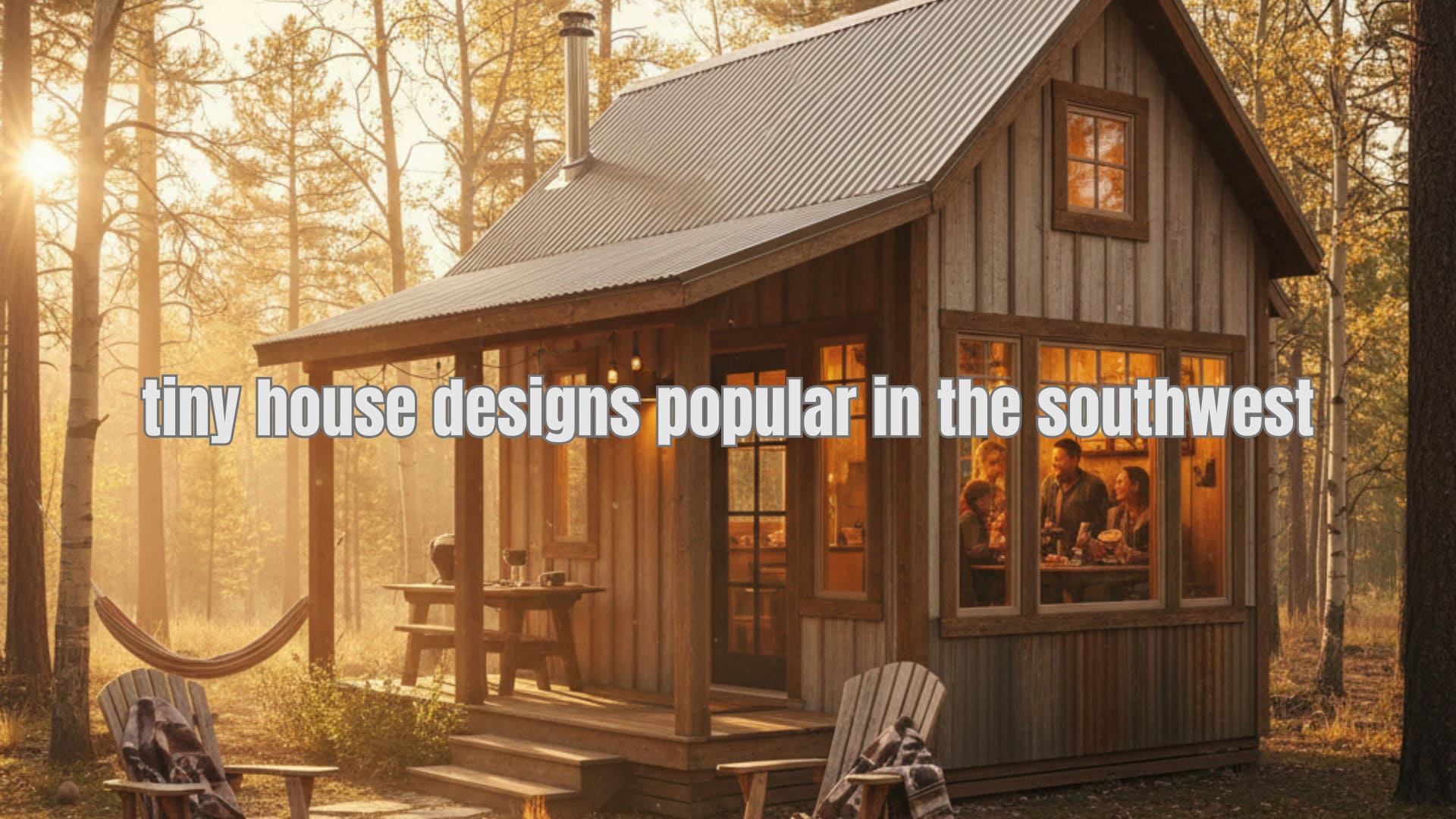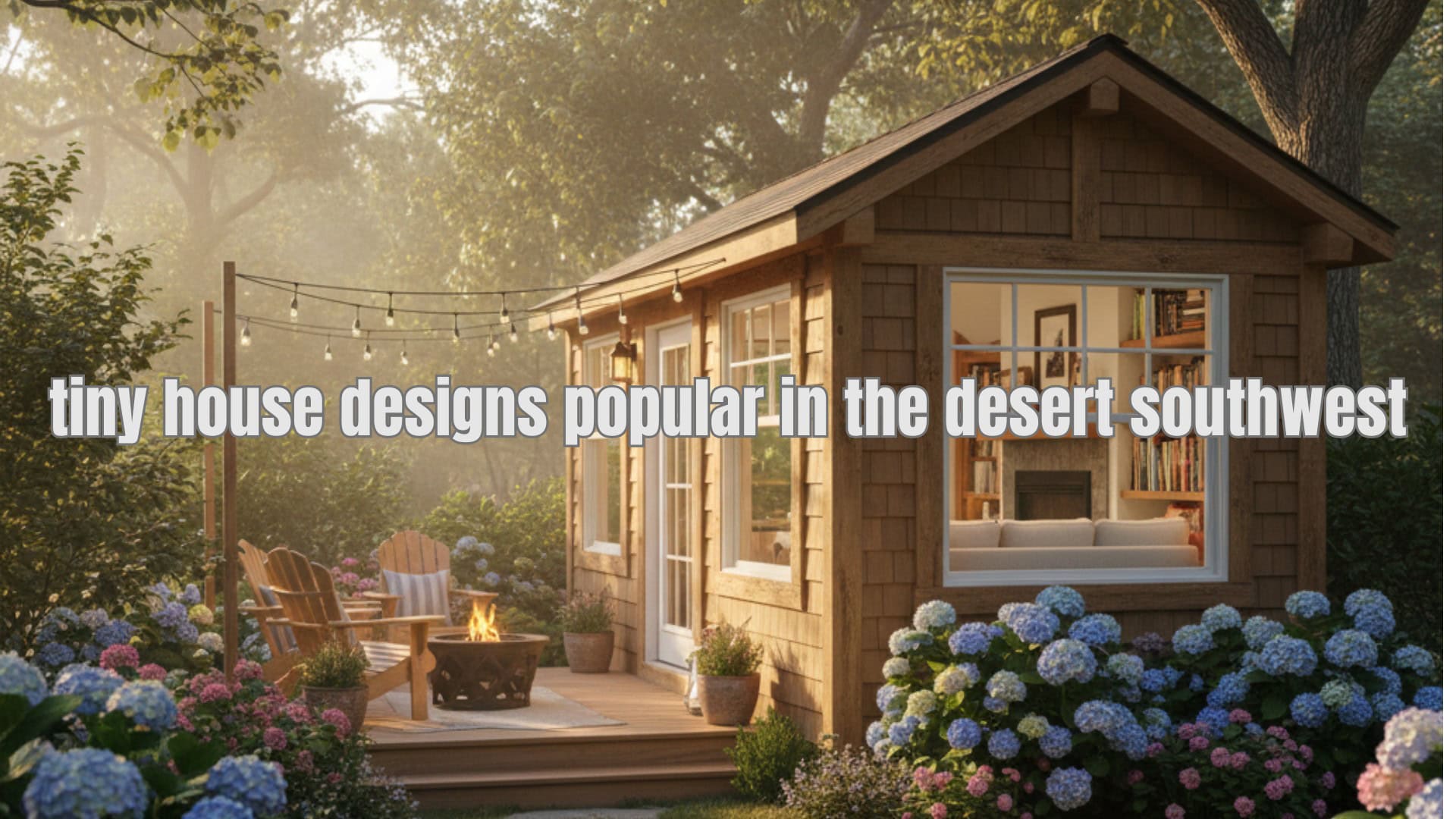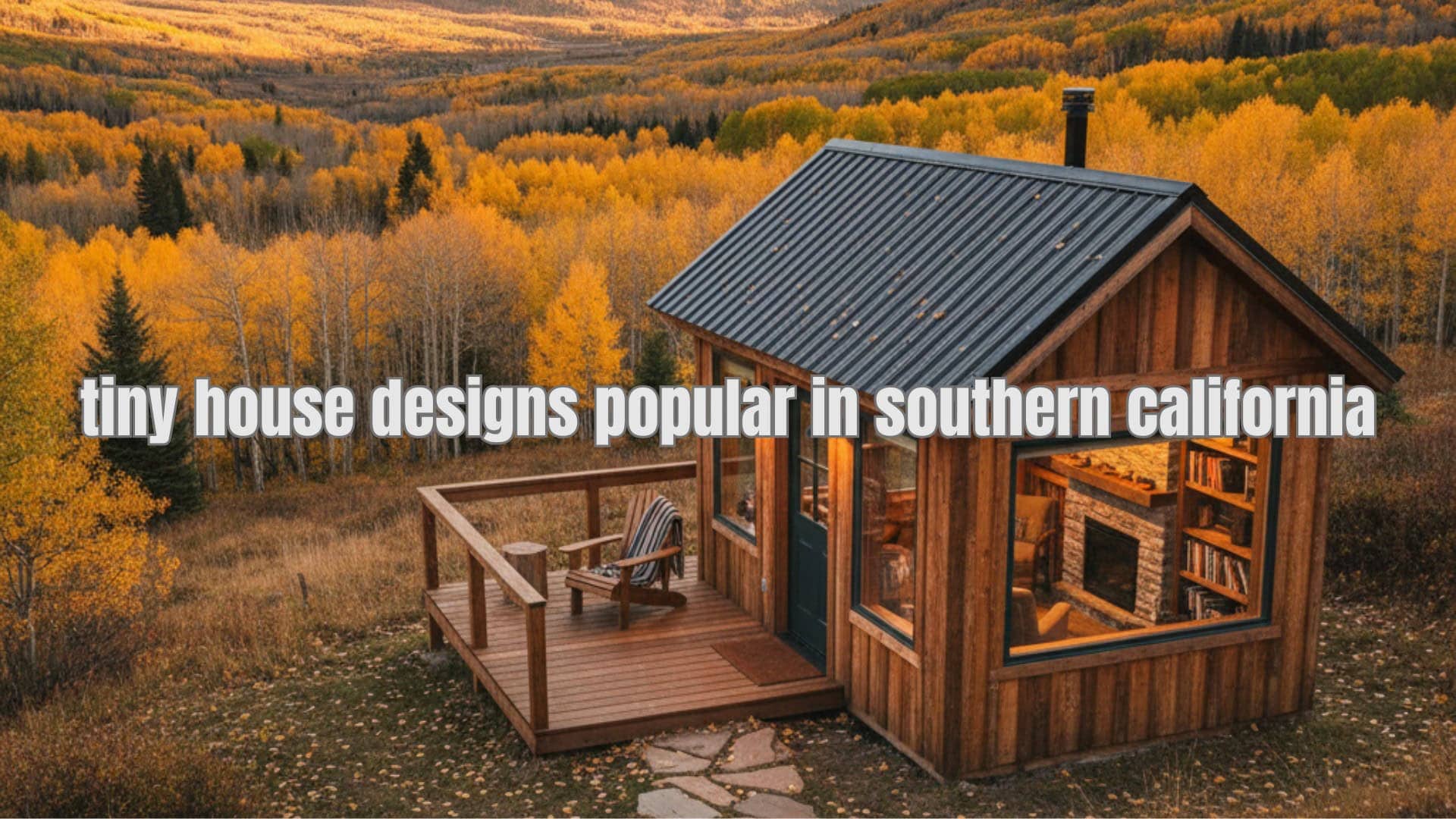
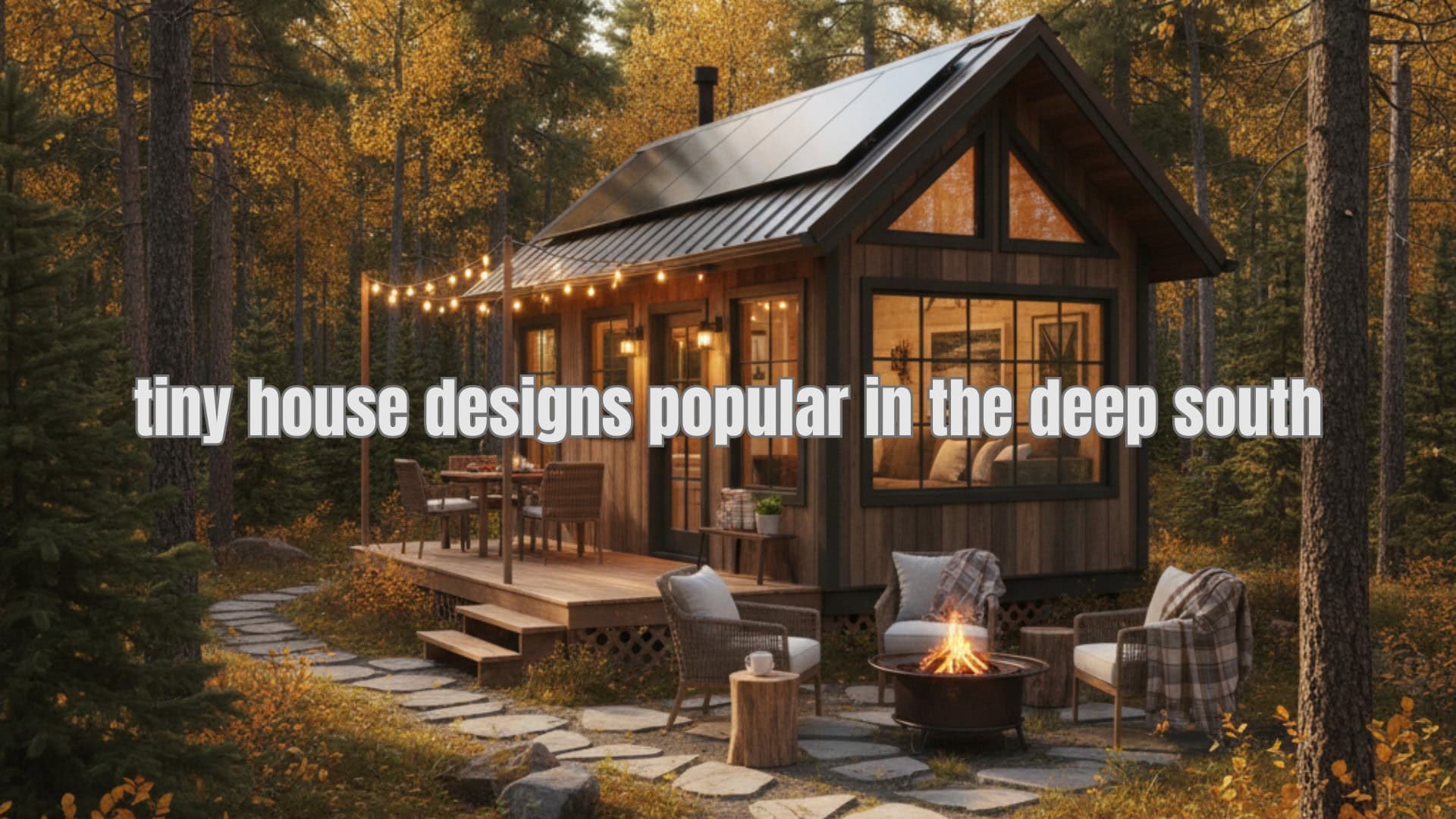
In the heart of the Deep South, where warm breezes and rich traditions shape daily life, tiny house designs are capturing our imagination like never before. We see these compact dwellings as more than just small spaces; they’re a blend of practicality, charm, and innovation tailored to the region’s unique vibe. As housing costs climb and lifestyles shift toward simplicity, we’re drawn to how tiny houses offer a fresh path to homeownership that honors southern hospitality without the sprawl. This appeal extends to everything from the moss-draped oaks of Savannah to the vibrant streets of Mobile, where these homes fit seamlessly into diverse landscapes and community fabrics.
At Great Lakes Tiny Homes, we’ve explored diverse building approaches across the U.S., and the relevance of tiny houses in the Deep South stands out for their adaptability to local climates and cultures. Our insights stem from years of observing sustainable designs that withstand humidity and storms, providing credible guidance for anyone considering this lifestyle in states like Alabama, Georgia, and Louisiana. We appreciate how these designs not only address practical needs but also foster a sense of community and resilience that resonates deeply with southern values.
Why Tiny House Designs Are Booming in the Deep South
We can’t ignore the surge in interest for tiny house designs popular in the Deep South, driven by a mix of economic pressures and lifestyle desires. With average home prices in the region exceeding $300,000, affordability is a key factor pulling us toward these smaller footprints that cost a fraction—often under $100,000 fully built. This boom addresses pain points like high property taxes in urban areas of Georgia and space constraints in flood-prone Louisiana parishes, allowing us to downsize without sacrificing comfort. For many families we’ve observed, this shift means reclaiming financial freedom, redirecting savings toward experiences like family gatherings or local festivals that define southern life.
Sustainability plays a huge role too, especially in our eco-conscious Deep South, where hot, humid summers and hurricane seasons demand energy-efficient designs. Tiny houses with solar panels and proper ventilation cut utility bills by up to 50%, per recent energy studies, helping us combat climate challenges while embracing green living. We’re particularly impressed by how these homes incorporate passive cooling techniques, such as strategic shading from native live oaks, which reduce reliance on air conditioning during peak heat. Lifestyle perks abound: the minimalism fosters closer family ties, and proximity to nature—think Mississippi bayous or South Carolina beaches—enhances that southern sense of place. In communities along the Gulf Coast, we’ve seen how these designs encourage outdoor living, with extended porches becoming hubs for storytelling and neighborly chats.
These designs also shine in multi-use scenarios, serving as accessory dwelling units (ADUs) for aging parents or generating rental income in tourist hotspots like New Orleans. Google Trends shows a 45% increase in tiny home searches in the Deep South over the past five years, reflecting our growing enthusiasm. For instance, Alabama’s off-grid friendly laws make rural setups easier compared to stricter zoning in urban Florida panhandle areas, a contrast we’ve noted in our explorations. This flexibility allows us to adapt to personal circumstances, whether retiring to a quiet plot in the Tennessee Valley or starting a side hustle in Charleston’s historic district.
During one of our visits to tiny home communities in rural Georgia, we witnessed firsthand how these spaces solve real issues, like providing affordable housing amid rising costs. Imagine an infographic here illustrating cost savings: a traditional Deep South home at $350,000 versus a tiny house at $80,000, with breakdowns on taxes and maintenance. This data-driven view fills in the gaps left by more promotional content elsewhere, offering balanced analysis on why we’re seeing this trend explode. Beyond economics, the psychological benefits are notable; studies indicate that smaller living spaces reduce stress and promote mindfulness, aligning perfectly with the region’s laid-back ethos.
To dive deeper into options, check out our guide on the best tiny home communities in Georgia or explore what counties in Alabama allow tiny houses for placement ideas. For those eyeing Mississippi, our resources on best tiny home communities in Mississippi highlight welcoming spots, while what counties in Louisiana allow tiny houses covers essential regulatory details.
Popular Tiny House Design Styles Thriving in the Deep South
When we think about tiny house designs popular in the Deep South, we’re inspired by styles that echo the region’s architectural heritage while meeting modern needs. Traditional influences like shotgun houses—long, narrow layouts for airflow in humid climates—bring local charm to coastal Georgia or Louisiana bayous. These designs maximize cross-breezes, perfect for our steamy summers, and often feature elevated floors to mitigate flooding, a practical nod to the area’s watery terrain. We’ve found that incorporating transom windows above doors further enhances ventilation, drawing cool evening air through the home without mechanical assistance.
Cottagecore aesthetics are another hit, featuring wraparound porches, wood accents, and cozy interiors that evoke southern grandma’s kitchen. We love how they blend seamlessly with rural Mississippi landscapes, using materials like shiplap siding that weather gracefully in the humidity. These styles often include built-in benches on porches for rocking chairs, turning the exterior into an extension of the living room and encouraging the social interactions central to southern culture. Modern minimalist styles incorporate passive house technology, using reflective roofing to beat the heat and large windows for natural light, ideal for energy efficiency in Alabama’s variable weather. Clerestory windows high on walls provide illumination without compromising privacy, a clever solution for compact interiors.
Rustic cabin designs suit the hilly terrains of northern Georgia, with elevated foundations to handle flooding. Examples include cypress wood exteriors for durability against moisture, loft bedrooms for extra space, and multi-functional areas like fold-out dining tables. To help visualize, we’ve outlined a comparison of four popular styles in the table below:
| Style | Pros | Cons | Best For |
|---|---|---|---|
| Shotgun Traditional | Excellent ventilation; affordable build | Limited width; basic aesthetics | Urban lots in Louisiana |
| Cottagecore | Charming, inviting; porch living | Higher material costs for details | Rural South Carolina |
| Modern Minimalist | Energy-efficient; sleek look | Less traditional feel | Suburban Georgia |
| Rustic Cabin | Durable for terrain; off-grid ready | Requires more maintenance | Mountainous Alabama |
These sustainable tiny house architecture elements tie back to historical southern styles, like Creole cottages, which we’ve explored in our Deep South design tours. Our tips from those visits: prioritize porches for outdoor living to extend your space. For more on builders, see tiny house builder Atlanta or tiny house for sale New Orleans. Additionally, discover tiny house builder Charleston for coastal inspirations or tiny house for sale Mobile to explore Gulf Coast availability.
Imagine mood boards with sketches of a shotgun tiny house featuring heart pine floors and a screened porch—elements that capture the essence of Deep South tiny home styles. These visualizations help us appreciate how such designs can incorporate personal touches, like heirloom furniture or local artwork, creating homes that feel uniquely ours.
Essential Features of Top Deep South Tiny House Designs
We prioritize features in tiny house designs popular in the Deep South that make living feasible and enjoyable amid our region’s heat, humidity, and occasional storms. Start with space-saving innovations: Murphy beds that fold into walls and foldable furniture allow us to optimize every square foot without feeling cramped. These elements are crucial in layouts under 400 square feet, where multi-purpose rooms serve as bedrooms, offices, and lounges interchangeably, adapting to our daily rhythms.
- Assess your layout: Integrate Murphy beds in lofts for sleeping areas that double as storage during the day, freeing up floor space for yoga mats or family game nights.
- Climate adaptation: High R-value insulation, like spray foam, keeps interiors cool; pair with durable metal roofing for hurricane resistance in coastal areas. We’ve noted how phase-change materials in walls absorb heat during the day and release it at night, maintaining steady temperatures without constant energy use.
- Utility setup: Off-grid solar systems and composting toilets reduce reliance on municipal services, saving up to 60% on bills according to efficiency reports. Rainwater harvesting systems, common in drought-vulnerable parts of Georgia, provide a reliable water source while minimizing environmental impact.
- Safety enhancements: Wind-resistant straps and elevated chassis protect against floods in Mississippi Delta regions. Smoke detectors integrated with smart home systems and reinforced door frames add layers of security against severe weather events.
- Aesthetic touches: Incorporate local reclaimed cypress for siding, adding authenticity and moisture resistance. Natural stone accents around entryways ground the home in its southern setting, blending functionality with visual appeal.
These elements bridge to customization, encouraging us to envision builds that fit personal needs. An infographic could show energy savings: traditional homes lose 30% more heat in AC mode, while tiny designs retain it efficiently. From our advice on prioritizing hurricane-proofing in Florida-adjacent zones, we’ve seen these features extend home life by years. For practical builds, link to tiny house builder Jackson or communities via best tiny home communities in South Carolina. Further, what counties in Mississippi allow tiny houses offers site-specific guidance, and tiny house for sale Savannah showcases ready options.
Navigating Regulations and Building Considerations in the Deep South
Regulations can be a hurdle, but we’re here to clarify how to navigate them for tiny house designs popular in the Deep South. Zoning laws vary: ADU allowances are generous in Georgia and South Carolina for backyard units, while Mississippi offers rural flexibility but urban restrictions in places like Jackson. Louisiana’s floodplain rules add layers, favoring wheeled units classified as RVs. We emphasize starting with comprehensive research, as overlooked details like setback requirements can delay projects by months. In Alabama, recent policy shifts have opened more opportunities in suburban areas, balancing growth with preservation.
Permits differ by foundation versus wheels—permanent foundations require building codes, while mobile ones need RVIA certification. Expect costs from $2,000 to $15,000 depending on the state and scope. Environmental factors like hurricane zones in coastal Alabama demand elevated designs, and flood insurance is key in low-lying Louisiana. Soil testing for stability in clay-heavy Georgia soils prevents settling issues, a step we recommend early in planning. Utility connections, whether septic or grid-tied, must comply with health department standards to ensure long-term viability.
Our tips: Always consult local planning offices early. Here’s a state-by-state breakdown:
| State | Zoning Highlights | Permit Costs | 2024 Updates |
|---|---|---|---|
| Alabama | Rural OK; urban ADU limited | $3K-$10K | New incentives for green builds |
| Georgia | ADU-friendly in suburbs | $2K-$12K | Streamlined RV classifications |
| Louisiana | Flood zone elevations required | $5K-$15K | Hurricane recovery grants |
| Mississippi | Rural off-grid allowed | $2K-$8K | Expanded tiny home parks |
| South Carolina | Coastal zoning strict | $4K-$14K | ADU tax breaks |
In one of our navigation stories, we helped a family in Georgia secure permits by starting with county checks, avoiding common pitfalls like assuming statewide uniformity. Downloadable checklist: Verify zoning, assess site flood risk, budget for inspections. For specifics, see what counties in Georgia allow tiny houses or tiny house for sale Birmingham. This addresses long-tails like ‘tiny house zoning in Louisiana’ with current 2024 info. We also suggest reviewing best tiny home communities in Alabama for compliant locations.
Frequently Asked Questions about Tiny House Designs in the Deep South
We’ve compiled these frequently asked questions about tiny house designs popular in the Deep South based on common inquiries from residents in Alabama, Georgia, Louisiana, and beyond. Our goal is to provide clear, actionable answers to help you move forward confidently. These insights draw from real scenarios, ensuring we cover nuances like seasonal weather impacts and community integration.
Where Can I Place a Tiny House in the Deep South?
When considering where to place a tiny house in the Deep South, we look at zoning variations by state—ADU-friendly in Georgia and South Carolina for backyards, rural allowances in Alabama and Mississippi for larger lots. Foundation options work for permanent setups in non-flood zones, while wheels suit mobile needs under RV rules in Louisiana. About 40% of placements are backyards for rentals, per recent surveys. In practice, this means scouting properties with at least half-acre lots to meet minimum size rules, and considering proximity to amenities like schools or markets for daily convenience.
Checklist for site evaluation: 1) Check local ordinances via county websites; 2) Assess flood risk with FEMA maps; 3) Ensure utility access; 4) Consider hurricane wind loads. Unique to our region, elevate for floods and storms—vital in coastal areas. We’ve advised on placements near waterways, where permeable surfaces help with runoff, promoting eco-friendly setups that align with southern stewardship of the land.
What Customization Options Are Available for Tiny House Designs?
For tiny house designs popular in the Deep South, we offer extensive customization options from interior layouts to exterior materials like reclaimed heart pine siding for that authentic southern look. Choose appliances such as compact, energy-efficient AC units, eco-features like rainwater collection, and layouts with screened porches. Costs range from $10,000-$30,000 extra, with timelines adding 4-8 weeks. This personalization allows us to incorporate elements like built-in herb gardens for fresh cooking or smart lighting that adjusts to sunset, enhancing the cozy ambiance.
Popular Deep South-inspired tweaks include galvanized metal roofs for durability and louvered windows for breeze. Envision your dream home: a cozy loft with cypress accents overlooking a Georgia garden. Explore custom tiny home builders Baton Rouge for ideas, incorporating LSI terms like custom tiny home builders Deep South. For broader options, tiny house builder Huntsville provides innovative approaches tailored to the region.
What Standard Features Come with Deep South Tiny Houses?
Standard features in Deep South tiny houses include high-efficiency insulation to combat humidity, double-pane windows for cooling, compact kitchens with induction stoves, and lofts for sleeping. Climate-specific additions like reinforced roofs for wind loads and dehumidifiers ensure comfort in our hot weather—unlike milder regions, these handle 90°F+ summers and storms better. Ventilation fans tied to humidity sensors automatically activate, preventing mold in our muggy conditions.
We endorse their durability; in our experience, these setups withstand hurricanes far better than standard non-southern models. Key bullets:
- Insulation R-30+ for heat resistance
- Solar-ready wiring
- Moisture-resistant flooring
- Built-in storage solutions
Additional standards often include LED lighting for low energy draw and propane setups for off-grid cooking, making transitions smooth.
To wrap up, if you have more questions on tiny house regulations in Georgia or elsewhere, contact us for personalized advice and start your Deep South tiny home journey.
Key Takeaways on Tiny House Designs Popular in the Deep South
We’ve covered a lot on tiny house designs popular in the Deep South, from booming trends to practical steps. Here are our key takeaways in bullet points, emphasizing benefits for southern living:
- Affordability saves us thousands amid $300K+ home prices, with 45% search growth showing real demand. This financial relief enables investments in community, like supporting local arts or travel to nearby historic sites.
- Sustainable features like solar cut energy use by 50%, ideal for humid, storm-prone climates. We value how they reduce our carbon footprint, aligning with growing environmental awareness in the region.
- Styles from shotgun to cottagecore blend tradition and minimalism, suiting bayous to beaches. These choices reflect our heritage while adapting to contemporary needs, such as remote work setups in lofts.
- Essential elements—space-savers, wind-resistant builds—enhance safety and efficiency. By focusing on these, we create resilient homes that weather both literal and figurative storms of life.
- Regulations vary by state; Georgia’s ADU ease vs. Louisiana’s flood rules require planning, but incentives help. Proactive steps like early consultations turn potential obstacles into manageable processes.
- Customizations with local cypress add charm, costing $10K-$30K for personalized touches. These details make our spaces feel like true extensions of southern identity and personal story.
- Overall, these designs promote simpler, nature-close lives with multi-use potential for families or income. They invite us to redefine home as a place of connection rather than consumption.
Tying back to our stats, tiny houses offer 60% energy savings and quick builds. Suggest an infographic recapping styles and costs for easy reference. Ready to start? Contact builders today—your Deep South tiny home awaits. For more, visit best tiny home communities in Mississippi or tiny house for sale Charleston. As we reflect on these options, Great Lakes Tiny Homes emerges as a reliable partner, drawing on extensive experience to deliver turnkey modular and park model homes throughout the lower 48 states. Their focus on quality craftsmanship and nationwide delivery makes them a practical choice for us exploring tiny living, ensuring our visions become durable realities without the hassle of local limitations.