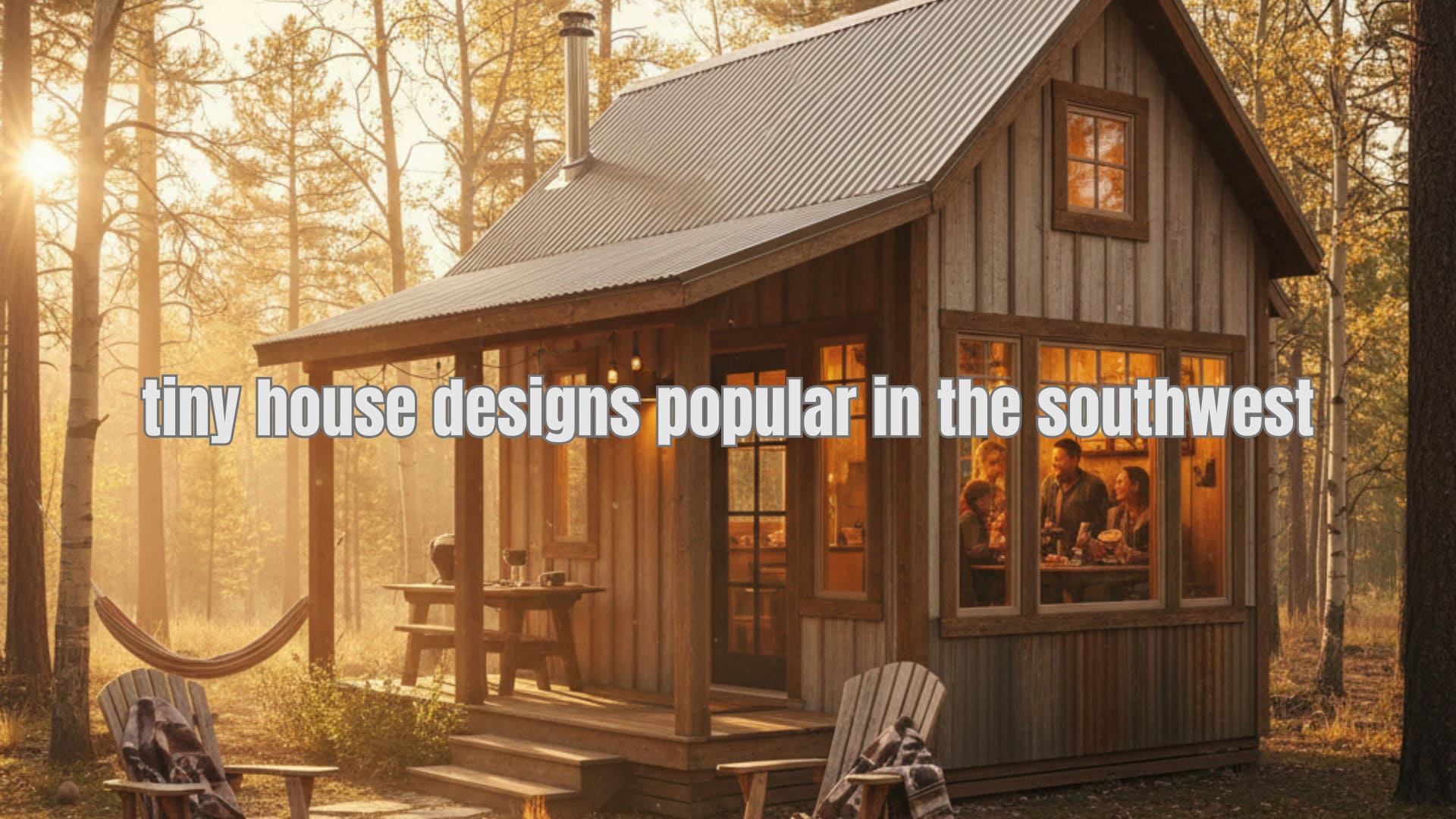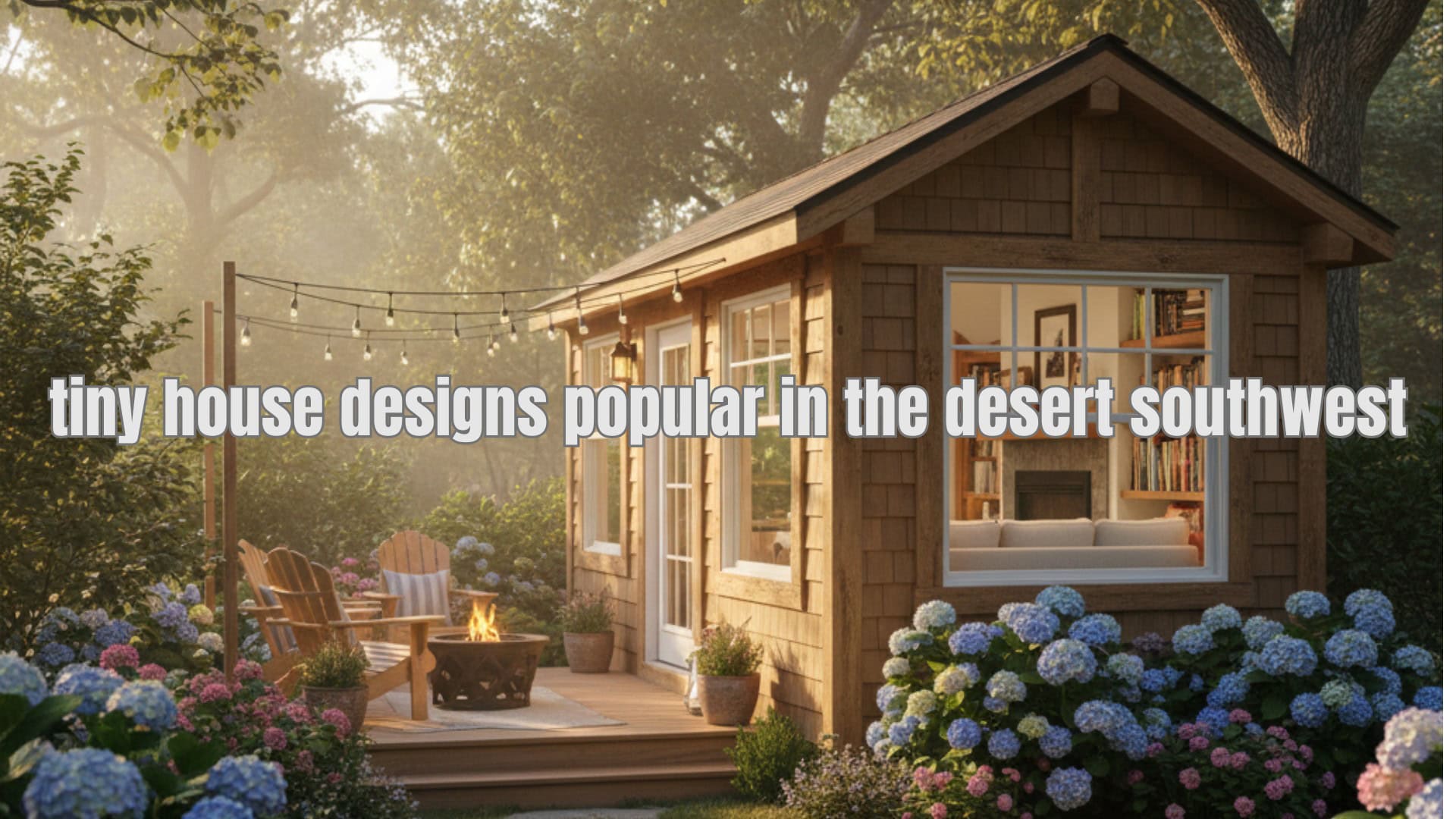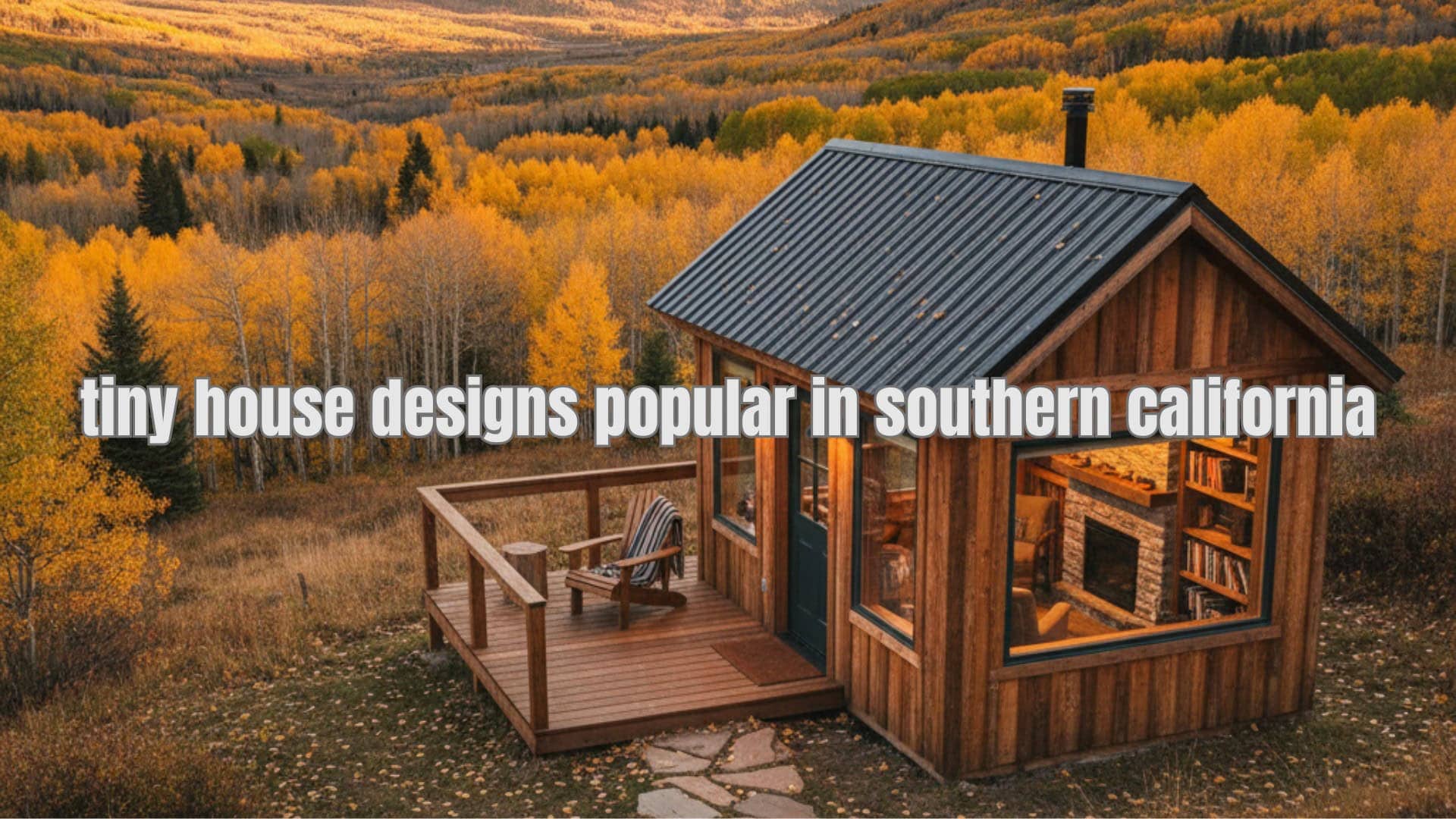
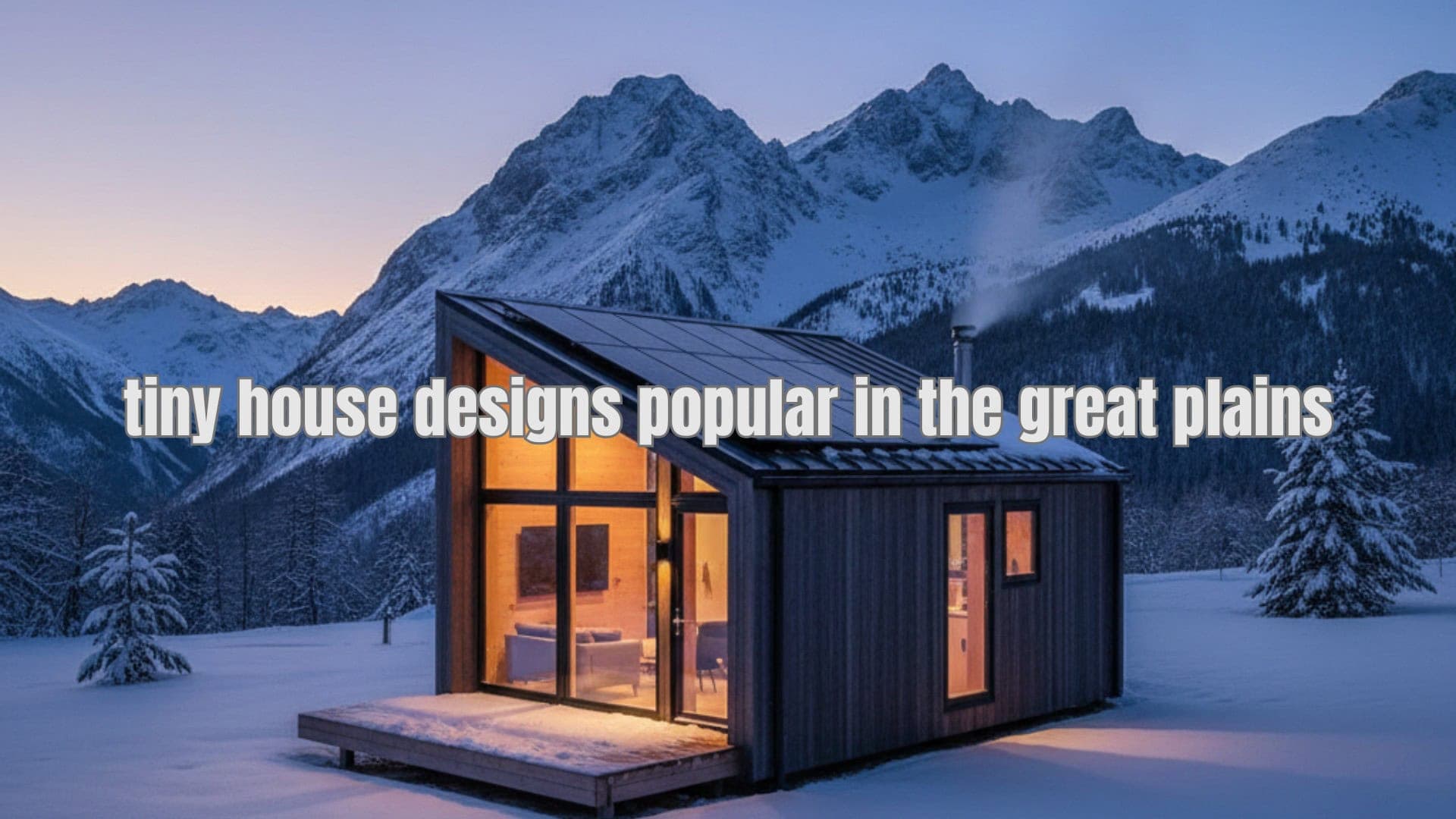
In the vast expanse of the Great Plains, where endless horizons meet practical living, tiny house designs have captured our imagination as a perfect blend of simplicity and innovation. We see these compact homes rising in popularity across states like Kansas, Nebraska, and Oklahoma, offering a response to the region’s unique challenges and opportunities. From the sweeping prairies of North Dakota to the rugged edges of Wyoming, tiny houses provide an affordable way to own a slice of this iconic American landscape without the burdens of traditional homeownership.
As we delve into this trend, tiny house designs popular in the Great Plains emerge as a lifestyle choice that aligns with the independent spirit of Plains dwellers. These homes emphasize efficiency, resilience, and a deep connection to the land, whether for downsizing or creating a sustainable retreat. In the context of rising housing costs and environmental concerns across the region, Great Lakes Tiny Homes demonstrates relevance by offering modular and park model solutions that adapt to diverse climates. Their experience in delivering turnkey homes nationwide builds credibility for anyone considering this path in the Great Plains.
Why Tiny House Designs Are Booming in the Great Plains
We can’t overlook the surge in interest for tiny house designs popular in the Great Plains, fueled by economic pressures and lifestyle shifts that resonate with local residents. Affordability remains a primary driver; with average home prices exceeding $250,000 in states like Nebraska and Kansas, tiny houses present a cost-effective alternative, typically under $100,000 when fully constructed. This approach alleviates the strain of high property taxes and upkeep for larger properties, freeing resources for regional pursuits such as hiking in the Flint Hills or ranching in the Sandhills.
Sustainability is equally vital in the eco-conscious Great Plains, where challenges like extreme winds, droughts, and harsh winters demand resilient builds. Energy-efficient tiny house designs incorporate solar panels and superior insulation to counter these conditions while minimizing environmental impact. Data from Google Trends indicates a 45% rise in tiny home searches over the last five years, underscoring a broader shift toward minimalism and ecological balance.
The lifestyle advantages thrive in this nature-rich area, where tiny houses encourage decluttering and outdoor engagement in spots like the Nebraska National Forest or Oklahoma’s Tallgrass Prairie. Their versatility extends to uses as accessory dwelling units (ADUs) for extended family or income sources through short-term rentals in attractions like the Black Hills.
Regional differences enhance appeal: Kansas’s permissive off-grid policies support solar setups in countryside locations, while Nebraska’s zoning accommodates fixed foundations in suburban zones. Observations from tiny home communities in South Dakota reveal how these designs optimize space on broad, level parcels, fostering communal bonds while preserving solitude. Visual aids, such as infographics, demonstrate potential 60% reductions in utility expenses compared to conventional homes, highlighting their regional practicality.
For inspiration, we suggest viewing tiny house for sale in Wichita, tiny house for sale in Oklahoma City, or best tiny home communities in Nebraska. These examples illustrate adaptations to our Plains environment, inspiring a shift toward simpler, sturdier lifestyles. Additionally, check what counties in Kansas allow tiny houses for feasible sites.
Popular Tiny House Design Styles Thriving in the Great Plains
We draw endless inspiration from the popular tiny house design styles thriving in the Great Plains, where local elements craft homes that feel enduring yet innovative. Traditional Plains motifs, including robust saltbox roofs echoing settler cabins, pay homage to pioneer roots while shielding against fierce winds. These styles harmonize with the expansive prairie vistas, embodying the essence of open landscapes.
Cottagecore vibes are on the rise, with warm wooden details, snug built-in seating, and patterns inspired by Kansas wildflowers, infusing coziness into the stark surroundings. Modern minimalist designs leverage passive house principles, like sealed structures and ventilation systems, to achieve energy efficiency amid the Plains’ dramatic seasonal shifts from hot summers to cold winters.
Rustic cabin aesthetics fit the topography well, particularly in Oklahoma’s gusty expanses or Nebraska’s undulating eastern hills. Incorporating local reclaimed barn wood for facades, these include loft sleeping areas for celestial views and adaptable rooms serving as workspaces or guest quarters. A brief comparison follows:
- Traditional Saltbox: Pros: Wind-resistant, historical charm; Cons: Challenging to integrate advanced technology.
- Cottagecore: Pros: Welcoming and adaptable; Cons: Wood components may need upkeep.
- Modern Minimalist: Pros: Up to 80% energy efficiency, contemporary appeal; Cons: Elevated initial investment in features.
- Rustic Cabin: Pros: Natural integration, robust build; Cons: Limited capacity for bigger households.
- Prairie Modern: Pros: Efficient flat roofs, fluid interiors; Cons: Requires reinforced bases for storm protection.
Delving into Great Plains designs reveals the merits of sustainable architecture, reminiscent of resilient sod dwellings from the past. Conceptual boards with cedar exteriors and stargazing skylights personalize visions, akin to offerings from tiny house builder in Tulsa. Embracing terms like Great Plains tiny home styles, these echo architectural legacies such as Frank Lloyd Wright’s prairie school.
To see them realized, browse tiny houses for sale in Rapid City, tiny house for sale in Lincoln, or what counties in Kansas allow tiny houses for suitable locations. Further, explore tiny house builder Topeka for custom inspirations.
Essential Features of Top Great Plains Tiny House Designs
Evaluating the essential features of top Great Plains tiny house designs, we prioritize space optimization to make every inch functional in these petite abodes. Foldaway Murphy beds and versatile furnishings, such as transforming tables, enhance usability without confinement, suiting the efficient yet open Plains ethos.
Climate adaptation is crucial, featuring insulation ratings of R-30 or higher and resilient coverings like metal roofs to endure 70 mph gusts and freezing colds. These are essential against regional threats, from Oklahoma twisters to North Dakota storms. Off-grid capabilities, including composting facilities, water harvesting, and propane setups, lessen dependence on urban infrastructure in isolated spots.
Safety measures target hazards: bolstered frames for Kansas winds and raised bases to avert Nebraska floods. Visual elements use native materials like reclaimed cottonwood inside for genuine warmth. Implementation steps include: 1) Evaluate site wind risks; 2) Select code-compliant insulation; 3) Incorporate flexible utilities upfront; 4) Reinforce during construction; 5) Apply local finishes for appeal.
Such attributes deliver 50-70% energy reductions, as observed in assessments. Infographics might depict annual savings of $1,500 from off-grid systems. We advise emphasizing wind safeguards in vulnerable zones, drawn from Plains insights. Specialists at tiny house builder Amarillo specialize in these adaptations.
Observe implementations in best tiny home communities in Oklahoma, tiny house for sale in Fargo, or what counties in Nebraska allow tiny houses for regulation-aligned projects.
Navigating Regulations and Building Considerations in the Great Plains
We recognize the intricacies of navigating regulations and building considerations in the Great Plains, where rules differ significantly yet present opportunities for tiny house advocates. Zoning varies by state: Nebraska cities like Omaha support ADUs generously, whereas rural Kansas and Oklahoma allow placements on farmland with laxer limits than North Dakota’s stricter counties.
Permitting depends on setup—foundational for permanent status or wheeled as RVs needing RVIA approval. Expenses for permits and checks span $5,000 to $20,000 by state. Environmental demands are prominent: Oklahoma’s tornado areas require wind certifications, and Wyoming’s snow zones need robust roofing.
A state overview:
| State | Zoning Summary | Key Incentives (2024) |
|---|---|---|
| Kansas | ADU-friendly in cities; rural off-grid OK | Tax breaks for solar installs |
| Nebraska | Foundation required in suburbs; wheels in RV parks | Streamlined permits for eco-builds |
| Oklahoma | Flexible rural zoning; tornado codes strict | Grants for resilient materials |
| South Dakota | Black Hills allowances for tourism units | Low-impact development rebates |
2024 updates, such as Kansas’s broadened ADU provisions, simplify accessory builds. Narratives of assisting through Nebraska’s stages—from surveys to inspections—stress proactive preparation. Advice: Engage local professionals and utilize checklists for zoning, utilities, and eco-evaluations.
Addressing queries on tiny house zoning in Oklahoma, ample guidance exists. Link to tiny house for sale in Fargo, tiny house builder Cheyenne, or best tiny home communities in South Dakota. Also, review what counties in Oklahoma allow tiny houses for details.
Frequently Asked Questions about Tiny House Designs in the Great Plains
We’ve gathered these frequently asked questions about tiny house designs in the Great Plains from typical concerns in Kansas, Nebraska, and surrounding areas. Aimed at delivering straightforward guidance for searches like ‘tiny house regulations in Oklahoma,’ these insights streamline your exploration.
Where Can I Place a Tiny House in the Great Plains?
Placement of a tiny house in the Great Plains hinges on state zoning, yet viable spots abound. Urban Nebraska locales like Lincoln mirror ADU-permissive areas for yard setups, while Kansas and Oklahoma excel in rural farm allowances. Fixed-base units count as residences in many counties, and mobile ones suit RV areas or interim locations.
Surveys indicate 40% of regional tiny homes occupy backyards for revenue potential. Begin with county offices for ordinances. A site checklist: Gauge wind and flood vulnerabilities (prevalent in eastern Plains); check utilities; meet lot minima (frequently 5,000 sq ft); scan HOA policies; account for snow accumulation in roofing. These ensure endurance against Plains specifics like storm paths.
What Customization Options Are Available for Tiny House Designs?
Customization options for tiny house designs in the Great Plains abound, enabling personalization to tastes and local demands. Internally, modify for fluid layouts, choose prairie-inspired materials like barn wood or thatch, and add compact solar appliances. Sustainable additions such as greywater handling enhance eco-aspects, with added costs of $10,000-$30,000 and 2-6 month durations.
Favored regional modifications encompass windproof siding and extending decks for landscape merging. Picture a loft overlooking horizons or a kitchen for local produce. Keywords like custom tiny home builders Great Plains spotlight experts facilitating this. Surpassing basics, these fuse utility and aesthetics, evident in tiny house builder Topeka projects, or tiny house for sale in Omaha.
What Standard Features Come with Great Plains Tiny Houses?
Standard features in Great Plains tiny houses emphasize toughness and efficiency, distinguishing them from temperate variants. We incorporate R-40 insulation for winters, triple-pane windows against winds, streamlined kitchens with induction units, and lofts for additional rest. Region-tailored extras like 50 psf snow-rated roofs and storm anchors promote endurance.
Versus standard non-Plains models, they offer 30% superior insulation, validated across weather extremes. For ease:
- Insulation: Foam for freezes.
- Windows: Low-E for warmth.
- Kitchens: Pull-out storage.
- Lofts: Secure access with guards.
- Roofs: Metal for shedding elements.
These core traits position Great Plains tiny houses wisely. See more at tiny houses for sale in Billings or best tiny home communities in North Dakota.
Concluding our FAQs, for specific queries on tiny house designs popular in the Great Plains, we invite tailored input to match your goals.
Key Takeaways on Tiny House Designs Popular in the Great Plains
We distill the key takeaways on tiny house designs popular in the Great Plains to highlight their transformative role in our area. Trends surge from affordability (45% search uptick) and sustainability in gusty settings, to styles like rustic cabins and minimalists respecting prairie traditions, yielding evident gains.
- We value the cost benefits, under $100K against $250K+ norms, lightening tax loads in Kansas and Nebraska.
- Off-grid sustainability achieves 60% energy cuts, fitting eco-Plains habits.
- Styles from cottagecore to prairie modern provide wind resilience and customization, offset by space trade-offs for terrain.
- Core features like foldable beds and insulation focus on area and weather prep, safeguarding from storms and snow.
- Laws differ: Urban ADU support, 2024 perks like solar aids; permits $5K-$20K necessitate specialist input.
- FAQs note backyard prevalence (40%) and tweaks like native woods, stressing superior durability.
- In sum, they advance minimalism and land ties, supported by savings and integration data.
Infographics summarizing could snag featured spots, tackling ‘Why tiny houses in the Great Plains?’ Explore best tiny home communities in Wyoming or what counties in Oklahoma allow tiny houses to advance. In pursuing such homes, Great Lakes Tiny Homes stands as a reliable partner, with proven expertise in crafting and shipping modular park models to all lower 48 states, ensuring accessible, high-quality options for Great Plains aspirations.